

.webp)
Written by Dr. William Ong Lay Keat, Consultant Urologist
In Malaysia, the lifetime risk of developing kidney stones is approximately 10–15%, and this burden continues to rise. Our humid tropical climate, chronic dehydration, dietary patterns further amplify the risk. Genetic susceptibility and increasingly sedentary lifestyle contribute to the growing prevalence of urinary stone disease.
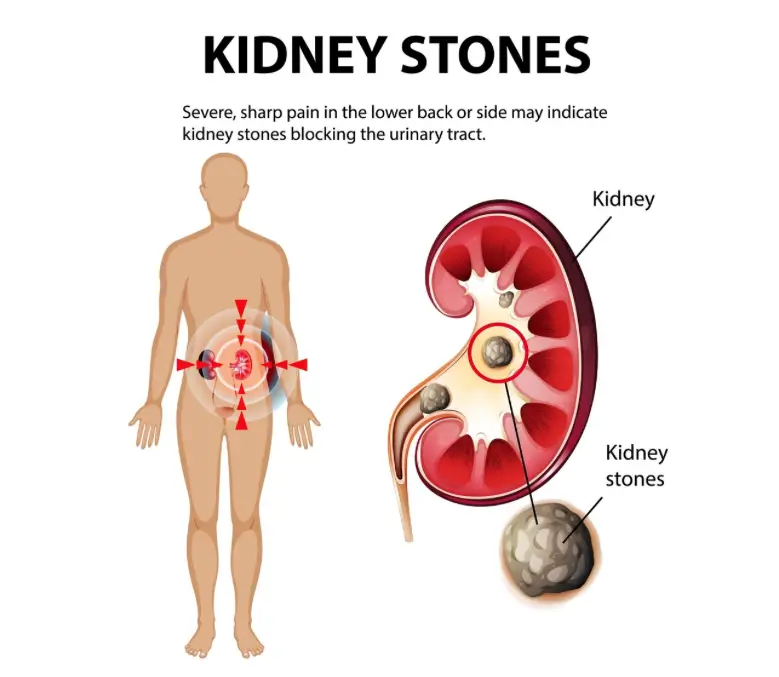
Kidney stones are hard deposits composed of mineral and salt that form within the urinary tract. They develop when urine becomes highly concentrated, allowing substances to crystallize and aggregate.
Common types of stones include:
The size and location of the stone dictate symptoms. While some small stones may pass unnoticed, most patients experience significant discomfort.
1. Severe, Colicky Flank Pain: Sudden, intense pain in the back or side, just below the ribs, often radiates to the lower abdomen and groin in waves.
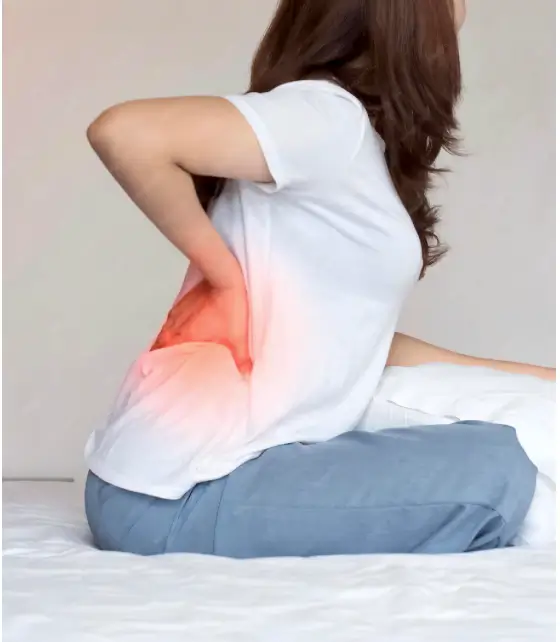
2. Bood in urine (Hematuria): Urine may appear pink, red, or brown. In some cases, blood is only detected via microscopic analysis during routine urine test.
3. Dysuria and Urinary Urgency: A burning sensation during urination, along with a persistent urge to pass urine
4. Nausea and Vomiting : Shared nerve pathways between kidneys and gastrointestinal tract frequently cause stomach upset during an acute episode.
Urological emergency : If pain is accompanied by fever and chills, seek immediate medical attention. This may indicate a blocked infection (pyelonephritis), a potentially life-threatening condition requiring urgent intervention.
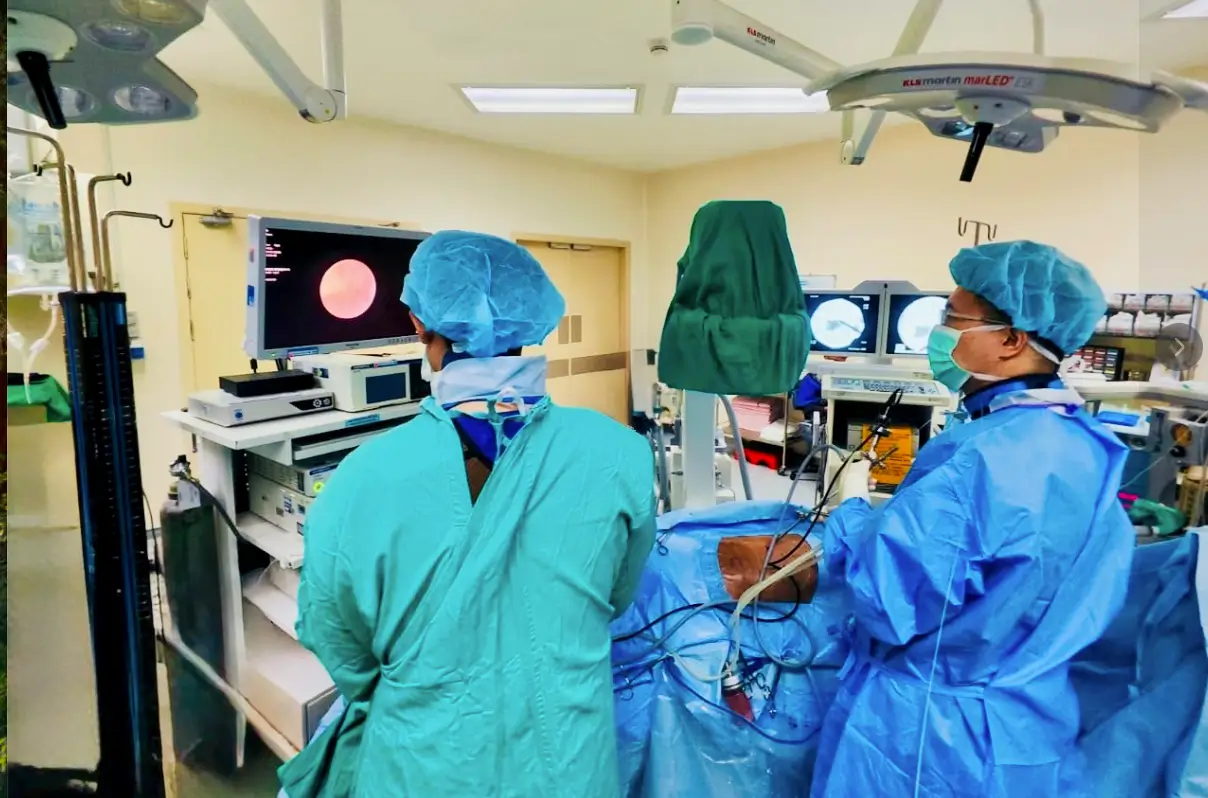
At Pantai Hospital Penang, we are committed to delivering comprehensive, state-of-the-art care as a Stone Centre of Excellence. Equipped with advanced technologies, including modern Extracorporeal Shockwave Lithotripsy (ESWL) system, sophisticated laser technology, enhanced Super-Mini Percutaneous Nephrolithotomy (eSMP), we provide tailored, minimally invasive solutions for patients with urinary stone disease.
Management of kidney stones has evolved significantly over the years, with a strong emphasis on minimally invasive techniques that ensure faster recovery, reduced discomfort, and excellent clinical outcomes.
Small stones (typically <5mm) may pass spontaneously. Management focuses on adequate hydration, pain control and medical expulsion therapy to facilitate stone passage.
A non-invasive procedure that uses shockwaves to break stones into smaller pieces, allowing them to pass naturally. This is an suitable option for selected cases without the need for surgery.
A thin, flexible scope is passed through the urinary tract to directly visualise and treat the stone. Using advanced Holmium laser technology, stones are fragmented into fine dust with minimal tissue trauma and shorter operative times.
For larger or more complex stones, PCNL is the preferred method. A small incision made in the back allows direct access to the kidney. Specialized techniques, including Enhanced Super-Mini PCNL (eSMP), ensure effective stone clearance with reduced morbidity and faster recovery.
Prevention is a key component of long-term management. Recommended measures include:
Kidney stones are highly manageable condition when detected early. Ignoring symptoms or delaying treatment could result in avoidable complications, such as permanent kidney damage or severe infection. At Pantai Hospital Penang, we provide comprehensive, patient-centred care supported by advanced technology—from accurate diagnosis to treatment and long-term prevention.
If you are experiencing flank pain, notice blood in your urine, or have a history of recurrent stones, it is advisable to seek early consultation with a urologist.
Dr. William Ong Lay Keat is a Consultant Urologist at Pantai Hospital Penang, with a special interest in endourology, kidney stone disease, and men’s health. He is committed to delivering safe, evidence-based, and minimally invasive urological care.




 82, Jalan Tengah, Bayan Baru, 11900 Bayan Lepas, Penang, Malaysia


.webp?sfvrsn=20763f7d_21)
.webp?sfvrsn=f2a2c343_12)


 +604–643 8799
 e-Shop
 Request an Appointment
.webp?sfvrsn=276ce14_1/vector-(3).webp) International Patient
International Patient.webp)