

.webp)
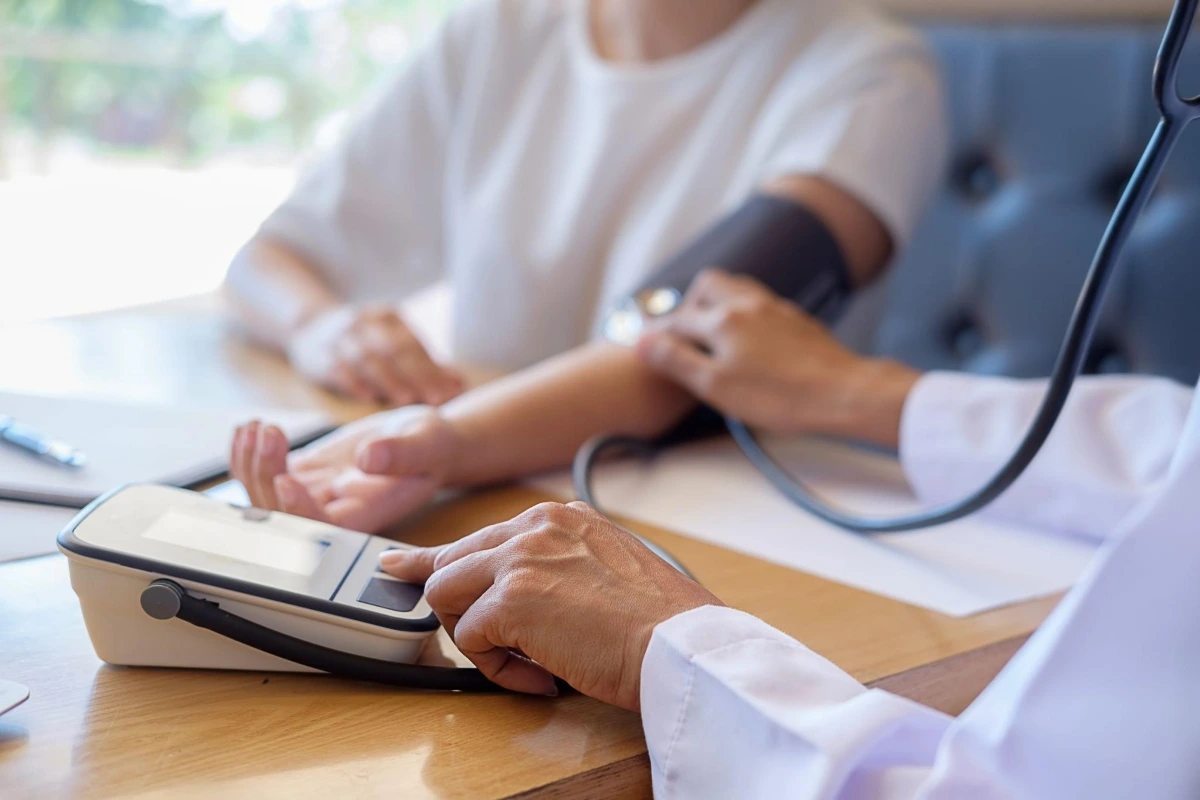
Understanding blood pressure readings is one of the most important steps for keeping tabs on your heart and overall health. Knowing what it means, how it’s measured, and when to check it can help you prevent serious health complications.
Blood pressure readings are the measure of the force of blood pushing against the walls of your blood vessels (arteries) as your heart pumps . It reflects how hard your heart is working to circulate blood throughout the body. Healthy blood pressure ensures that oxygen and nutrients are delivered effectively to your organs.
A blood pressure reading is written as two blood pressure numbers, for example, a normal blood pressure reading is 120/80 mmHg:
Both numbers are equally important, and together they indicate if your blood pressure is within a healthy range.
Blood pressure can be measured using a device called a sphygmomanometer , which may be manual or digital. Today, many people use a home blood pressure monitor for convenient and regular tracking. A cuff is wrapped around your upper arm and inflated to temporarily stop blood flow. As the cuff deflates, the monitor records the systolic and diastolic pressures.
Measurements are usually taken after resting for a few minutes , with the arm supported at heart level.
Low blood pressure (hypotension) is generally defined as readings below 90/60 mmHg .
If your readings are consistently between 120/80 mmHg and 129/80 mmHg, this is considered elevated blood pressure—a warning stage before hypertension begins.
High blood pressure (hypertension) is typically diagnosed when readings are consistently 130/80 mmHg or higher .
Uncontrolled high blood pressure increases the risk of heart or cardiovascular disease, stroke, kidney damage, and other complications.
Some devices can even track your pulse and blood pressure together, giving a fuller picture of your heart health.
Read more: Ways to Take Care of Your Heart.
✅Key Takeaway:
Regular monitoring of blood pressure helps detect problems early and prevents serious health issues. Whether at the clinic or at home, understanding your numbers empowers you to take control of your heart health.
Your heart deserves the best care, and Pantai Hospital Penang is here to provide it. With a team of highly experienced cardiologists and state-of-the-art facilities, we are committed to guiding you on your journey toward better heart health. Whether you're managing a chronic condition, seeking preventive care, or simply need expert advice, rest assured that you'll be in compassionate and capable hands.




 82, Jalan Tengah, Bayan Baru, 11900 Bayan Lepas, Penang, Malaysia


.webp?sfvrsn=20763f7d_21)
.webp?sfvrsn=f2a2c343_12)


 +604–643 8799
 e-Shop
 Request an Appointment
.webp?sfvrsn=276ce14_1/vector-(3).webp) International Patient
International Patient.webp)