

.webp)

Every day at Pantai Hospital Kuala Lumpur, our Emergency Department attend to patients with a wide range of common infections. While a cough or fever doesn’t mean the worst, but it also shouldn’t be brushed aside. Lung infections like Tuberculosis (TB), flu, or viral respiratory illnesses remain common in Malaysia, especially as our environment, travel patterns, and immunity levels evolve. These infections are not the end and most can be managed or cured — but when left untreated, they can become serious. Understanding the risks, early signs, and preventive steps helps families stay informed and confident.
Infection Type |
How It Spreads |
Common Symptoms |
High Risk Group |
|
Respiratory Viral Infections (Influenza, RSV, COVID-19, Viral Pneumonia) |
Airborne droplets, close contact |
Fever, cough, sore throat, fatigue, breathing difficulty |
Often seasonal; higher risk for children, elderly, pregnant women. |
|
Dengue & Mosquito-Borne Diseases |
Bite of infected Aedes mosquitoes |
Sudden high fever, body pain, nausea, rash |
Can lead to dengue haemorrhagic fever if not managed early. |
|
Hand, Foot and Mouth Disease (HFMD) |
Fluid from blisters, saliva, contaminated surfaces |
Mouth ulcers, palm/sole rash, fever |
Common in childcare settings; spreads very quickly. |
|
Gastrointestinal Viral Infections (Rotavirus, Norovirus) |
Contaminated food/water, close contact |
Diarrhoea, vomiting, stomach pain, dehydration |
Children and older adults at higher risk of dehydration. |
|
Chickenpox & Other Childhood Viruses |
Respiratory droplets, contact with blisters |
Itchy blisters, mild fever, tiredness |
Highly contagious; vaccine-preventable. |
|
Tuberculosis (TB) |
Airborne droplets from prolonged exposure |
Persistent cough, weight loss, night sweats |
People with low immunity, elderly, close household contacts. |
|
Nipah Virus Infection |
Zoonotic (bats, pigs), contaminated fruit/fluids, close contact |
Fever, headache, drowsiness, respiratory issues |
Animal handlers, those in outbreak areas. |
Immediate assessment is recommended if any of these are present:
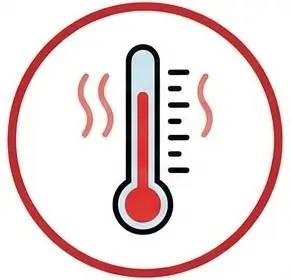
Persistent high fever
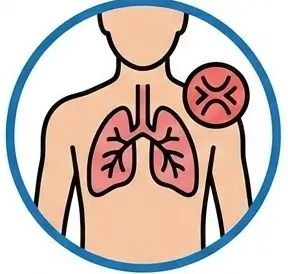
Difficulty breathing

Severe dehydration (sunken eyes, dry lips, low urine output)

Severe headache or confusion

Rash that spreads quickly

Cough lasting more than 2 weeks

Sudden severe body pain (possible dengue)
Prompt medical evaluation improves outcomes across almost all infections.
Vaccines are among the most effective tools in reducing infection severity
(annual, especially for high-risk groups)
(reduces pneumonia risk)
(for infants)
(protection against severe forms of TB in children)
Staying informed about common infections, recognising symptoms early, and knowing when to seek care helps prevent complications. Most infections are manageable with early treatment, and preventive steps such as vaccination, hygiene, and medical check-ups go a long way in protecting families.
If you or your family develop symptoms or require a medical evaluation, PHKL’s Emergency Department and Infectious Disease specialists are ready to support you with timely assessment, accurate testing, and comprehensive care.

 8, Jalan Bukit Pantai, 59100 Kuala Lumpur, Malaysia


.webp?sfvrsn=20763f7d_21)



.webp?sfvrsn=f2a2c343_12)




 +603-2296 0888
 +603-2296 0999
 e-Shop
 请求预约
请求预约.webp?sfvrsn=276ce14_1/vector-(3).webp) 国际患者
国际患者.webp)