

Loading...
Thank you for your patience
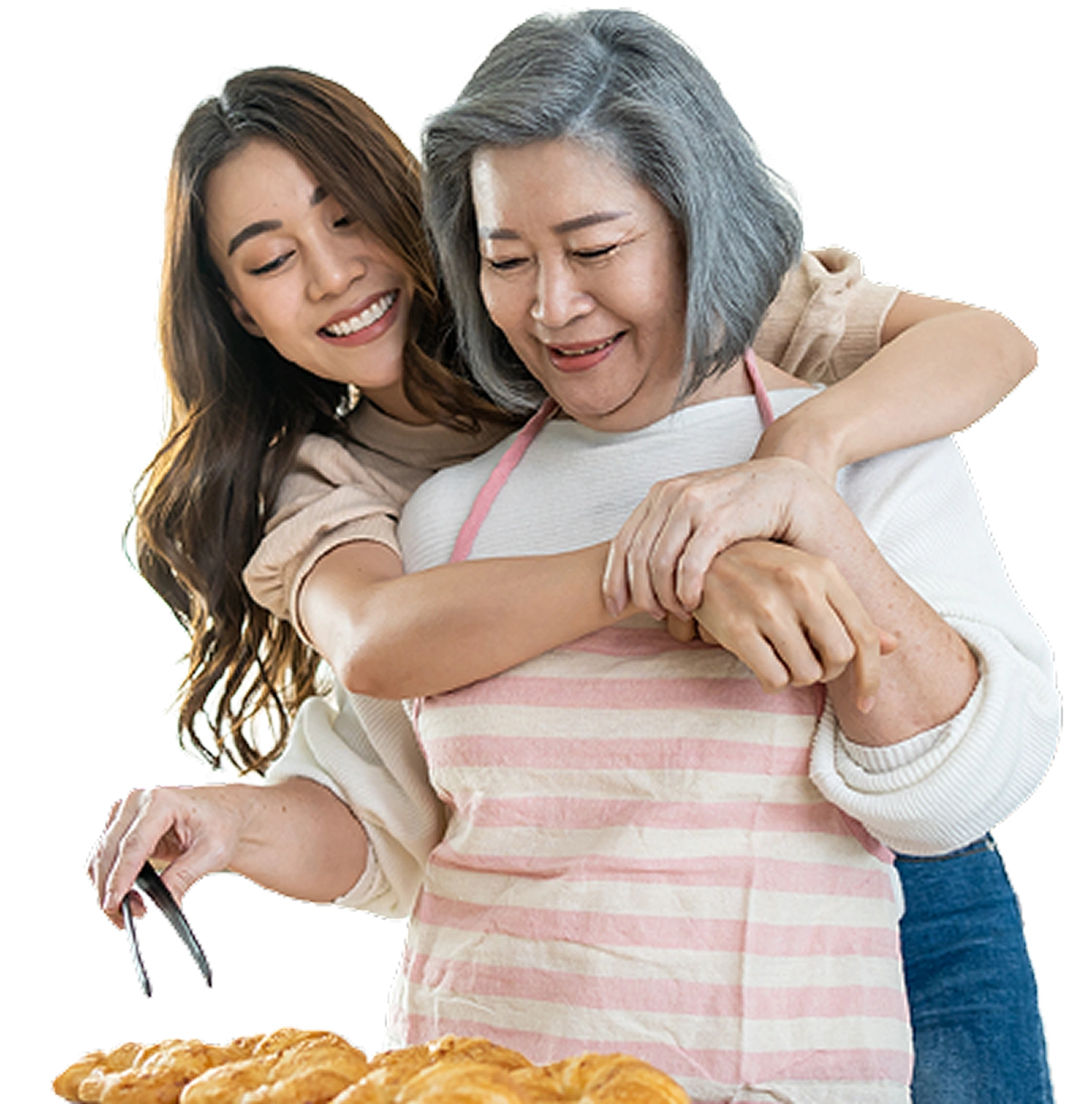
Women’s health is knowledge passed down through generations, much like a treasured family recipe. “Recipes for Her” brings together these traditions with essential health topics, covering menopause, pregnancy, sexual wellbeing, fitness, and key concerns such as heart health, bone health, and cancer care, all inspired by Malaysia’s most loved food and drinks.
Each recipe offers more than flavour. It serves as a starting point for expert guidance and meaningful conversations around women’s health. By combining tradition with thoughtful care, we aim to support overall wellbeing, nourishing the body, mind, and spirit with every recipe shared.

A cupcake does not need to look perfect. They come in all shapes, sizes, and colours. What matters most is what is inside. Ignoring lumps in your batter can lead to an unpleasant result. In the same way, a lump in the breast can be an early sign of breast cancer and should not be overlooked.
Looking after your breasts begins with awareness and regular checks. Give them the same attention you would when baking something you love. When it comes to breast cancer, early detection is essential and should never be ignored.

A new or unusual lump in the breast

Skin that looks or feels different, such as puckering or roughness

Unexplained nipple discharge

A nipple that has pulled inward or changed position

Keep your weight within a healthy range

Move your body regularly

Cut back on alcohol

Breastfeed, if it is an option for you

Stay consistent with screenings like mammograms and make self-checks a habit
Start by standing in front of a mirror with your arms relaxed. Notice how your breasts look in terms of shape, size, and colour.
Then raise your arms and check again, paying attention to any visible differences.
Look closely for signs like swelling, dimpling, or any changes to the skin.
Using the pads of your fingers, examine one breast at a time. Apply varying pressure, from light to firm, and cover the entire area.
Work your way from the outer breast towards the nipple, feeling for anything unusual such as lumps or thickened areas.
Remember to check your underarm area as well.
For a more thorough check, lie down with a pillow under your shoulder and your arm placed behind your head. This helps spread the breast tissue, making it easier to feel any changes.
If there is no pain in the breast, there is nothing to worry about.
Breast cancer can develop without causing pain. New lumps or changes may go unnoticed, which is why regular self-examinations are important.
Chemotherapy to target and destroy cancer cells

Surgical procedures to remove affected tissue

Radiotherapy to destroy remaining cancer cells
Hormone therapy to manage hormone-sensitive cancers
Thank you for your patience