
.webp)
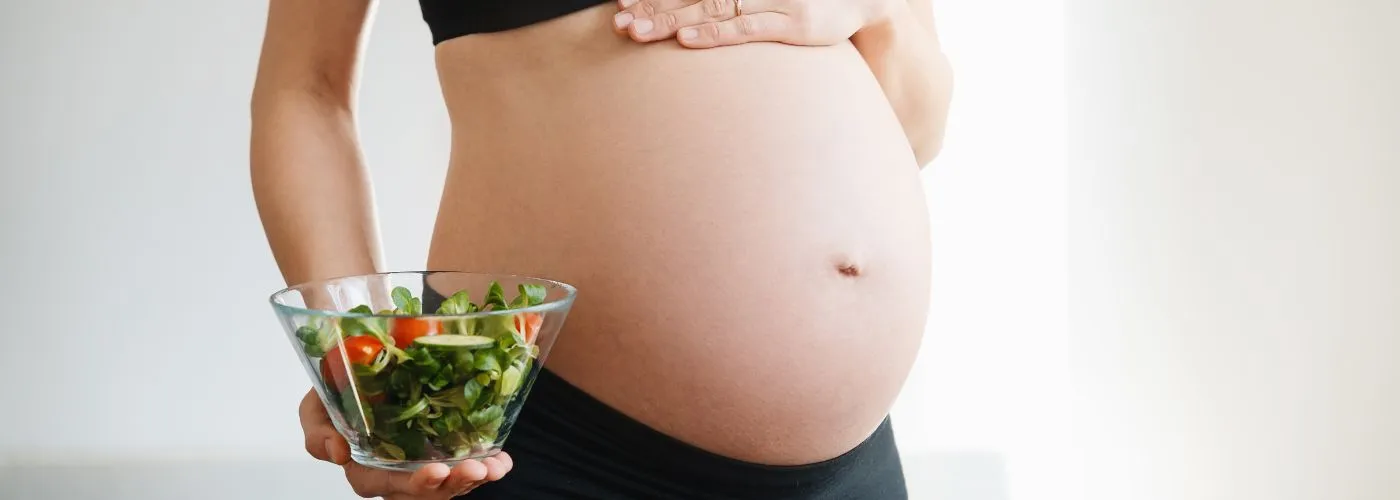
Maintaining a healthy weight before and during pregnancy plays a vital role in ensuring a safe pregnancy and delivery. Both being underweight and overweight can influence fertility, the risk of complications, foetal development, and postpartum recovery. Understanding how your weight affects your pregnancy empowers you to take charge of your health for the benefit of both you and your baby.
Being overweight or obese during pregnancy is associated with a higher risk of several complications that can affect both the mother and baby. Carrying excess body fat can interfere with hormone levels, increase inflammation, and reduce insulin sensitivity, which collectively influence pregnancy outcomes.
Overweight pregnant women are at higher risk of developing gestational diabetes, which can lead to high birth weight, delivery complications, and increased risk of developing type 2 diabetes later in life.
Excess weight can contribute to elevated blood pressure and organ dysfunction, leading to preeclampsia—a serious condition that may require early delivery.
Obesity increases the risk of obstructive sleep apnoea during pregnancy, causing fatigue, reduced oxygen levels, and potential complications during labour.
Women with higher BMI often experience more complications during labour, increasing the likelihood of needing a caesarean delivery.
Obesity is associated with a higher risk of neural tube defects and other developmental problems in the baby.
It may be more difficult to lose weight after pregnancy, which can increase the risk of complications in future pregnancies.
While much focus is placed on the risks of being overweight, being underweight can also lead to complications. A low BMI may affect fertility, foetal growth, and even result in preterm delivery.
Women with low body fat may experience irregular menstrual cycles or even amenorrhoea (absence of menstruation), reducing the chance of conception.
Underweight pregnant women may lack essential nutrients such as iron, leading to anaemia, fatigue, and increased risk of infection.
Insufficient maternal weight gain is a significant predictor of low birth weight in infants, which can lead to health issues and developmental delays.
Underweight women are more likely to deliver prematurely, which may require neonatal intensive care for the baby.
A limited diet may lack essential vitamins and minerals necessary for a baby's brain, bone, and organ development.
Women who are underweight should aim to reach a healthy weight before conception and follow a nutritious, calorie-sufficient diet throughout pregnancy.
Managing a healthy weight during pregnancy is not about dieting, but rather making nutritious and balanced choices. Physical activity, proper hydration, and regular medical guidance can help keep both mother and baby healthy.
Focus on nutrient-dense foods such as fruits, vegetables, whole grains, lean proteins, and healthy fats. Avoid excessive intake of processed snacks, sugary drinks, and fast food.
Eating for two does not mean doubling your intake. Follow your doctor’s guidance on portion sizes to prevent excessive weight gain.
Engage in safe prenatal exercises like walking, swimming, or prenatal yoga. Regular activity boosts energy, improves circulation, and supports mental well-being.
Drink plenty of water throughout the day to stay hydrated, prevent constipation, and support your body’s changing needs.
Stress can influence weight and appetite. Practice relaxation techniques such as deep breathing, meditation, or talking to a counsellor.
Intentional weight loss during pregnancy is not usually recommended. Instead, focus on healthy eating and moderate exercise to manage weight gain safely.
Yes. Both underweight and overweight pre-pregnancy BMI can influence birth outcomes, including birth weight, delivery complications, and long-term child health.
Regular antenatal check-ups will include weight monitoring. Your doctor will guide you on appropriate weight gain based on your BMI and pregnancy stage.
Yes. Walking, swimming, stationary cycling, and prenatal yoga are generally safe. Always consult your doctor before beginning or continuing an exercise routine.
An ideal BMI before pregnancy is typically between 18.5 and 24.9, which reduces risks associated with being underweight or overweight.
Weight plays a crucial role in shaping your pregnancy journey. Whether you are underweight, overweight, or at a healthy weight, the way your body supports your baby’s development is greatly influenced by your nutrition, lifestyle, and healthcare habits. The good news is that by making informed decisions, you can minimise risks and improve outcomes for both you and your child.
Do not wait—book your appointment today and start your journey toward better health. Our team is here to support you every step of the way. You may also book an appointment via our website or download the MyHealth360 application from the Google Play Store or Apple App Store.
Pantai Hospitals have been accredited by the Malaysian Society for Quality in Health (MSQH) for its commitment to patient safety and service quality.
Johnson, T. C. (2023, April 23). Being Skinny While Pregnant: Is This Safe? WebMD. Retrieved May 13, 2025, from
https://www.webmd.com/baby/is-it-safe-to-be-skinny-while-pregnant
Mayo Clinic. (2024, December 19). Pregnancy weight gain: What's healthy? Mayo Clinic. Retrieved May 13, 2025, from
https://www.mayoclinic.org/healthy-lifestyle/pregnancy-week-by-week/in-depth/pregnancy-weight-gain/art-20044360
Mayo Clinic. (2025, February 22). Pregnancy and obesity: Know the risks. Mayo Clinic. Retrieved May 13, 2025, from
https://www.mayoclinic.org/healthy-lifestyle/pregnancy-week-by-week/in-depth/pregnancy-and-obesity/art-20044409
Mediline plus. (2024, October 15). Managing your weight gain during pregnancy. MedlinePlus. Retrieved May 13, 2025, from
https://medlineplus.gov/ency/patientinstructions/000603.htm
Office of Women Health. (2021, February 17). Weight, fertility, and pregnancy | Office on Women's Health. Women's Health.gov. Retrieved May 13, 2025, from
https://womenshealth.gov/healthy-weight/weight-fertility-and-pregnancy




.webp?sfvrsn=20763f7d_21)
.webp?sfvrsn=f2a2c343_12)


 e-Shop
 Request an Appointment
.webp?sfvrsn=276ce14_1/vector-(3).webp) International Patient
International Patient

 Find A Doctor