

.webp)
Malnutrition is a condition that occurs over time if someone does not meet their nutritional needs. Contrary to common belief, the state of malnutrition does not only mean an inadequacy or deficiency of nutrients. It can also be defined as a state of excess or imbalance. Regardless of whether it is under- or excess, malnutrition can result in negative effects on the body and its function.
(The following content of this article will concentrate on undernutrition)
It is a sizeable problem that can impact an individual’s quality of life. If left untreated, malnutrition can:

In children and adolescents, malnutrition can affect growth and intellectual development, plus reduce muscle mass and strength.
Fortunately, malnutrition can be identified early. Some of the signs to look out for include:
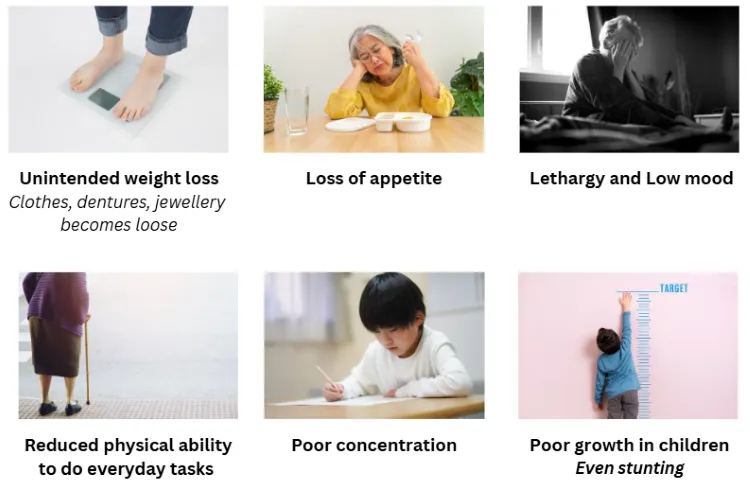
Malnutrition can affect anyone, but it is more common for certain groups, such as:

Older people over the age of 65 - particularly if they have recently been admitted to hospital or are currently living in a care home

Individuals with illnesses that increase their nutrition needs or lead to poor absorption. It is also important to identify an ‘acute disease effect’ where someone is acutely ill, has poor appetite and is unable to eat adequate amounts for more than 5 days
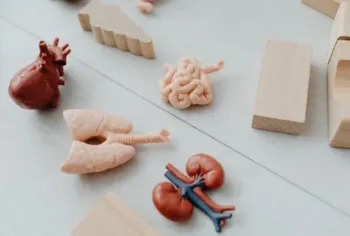
Individuals with long-term conditions such as chronic lung disease and kidney disease
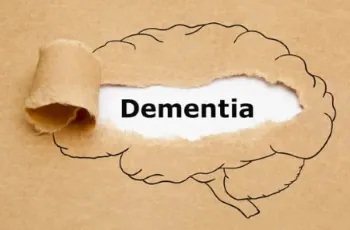
People with chronic progressive conditions such as dementia or cancer

Those with disordered eating, or children with significant picky eating
Recognising those at risk is the most important first step.
In a multidisciplinary team consisting of doctors, physiotherapists and speech therapists, registered Dietitians could provide a more detailed assessment to detect any other factors contributing to the problem.

Usually, a ‘Food first’ approach will be adopted at the beginning of treatment. This can consist of personalised advice on meals and snacks, food fortification, plus the inclusion of nourishing drinks. Food presentation, ways to improve palatability and meal-environment adaptations may also be recommended.
If food-based measures are ineffective, support via oral nutritional supplements may be utilised. For patients who are unable to take food and fluids by mouth, nutrition via tube feeding may be provided. The exact method will depend upon the patient’s individual needs.
The best way to prevent malnutrition overall is to eat a well-balanced, nutritious diet. This means not omitting whole food groups, whether fruits and vegetables, starches and grains, meat, fish, legumes or dairy products. Sometimes, certain micronutrient deficiencies (e.g. iron, calcium, vitamin B12) can occur even with a fairly standard diet. A blood test is one way to know if micronutrient supplements are for you, with advice from your healthcare provider on the correct dose.
You may approach our specialists at Pantai Hospital Penang to discuss your malnutrition risk. They may refer you to a healthcare professional such as a Dietitian to discuss treatment.
Dietitians are university-trained nutrition experts who can help you with personalised, practical and evidence-based advice. We recommend seeing a registered Dietitian if:
Credit of article to be given to Dietitian in Pantai Hospital Penang




 82, Jalan Tengah, Bayan Baru, 11900 Bayan Lepas, Penang, Malaysia


.webp?sfvrsn=20763f7d_21)
.webp?sfvrsn=f2a2c343_12)


 +604–643 8799
 e-Shop
 Minta Janji Temu
.webp?sfvrsn=276ce14_1/vector-(3).webp) Pasien Internasional
Pasien Internasional.webp)