


Loading...
Thank you for your patience
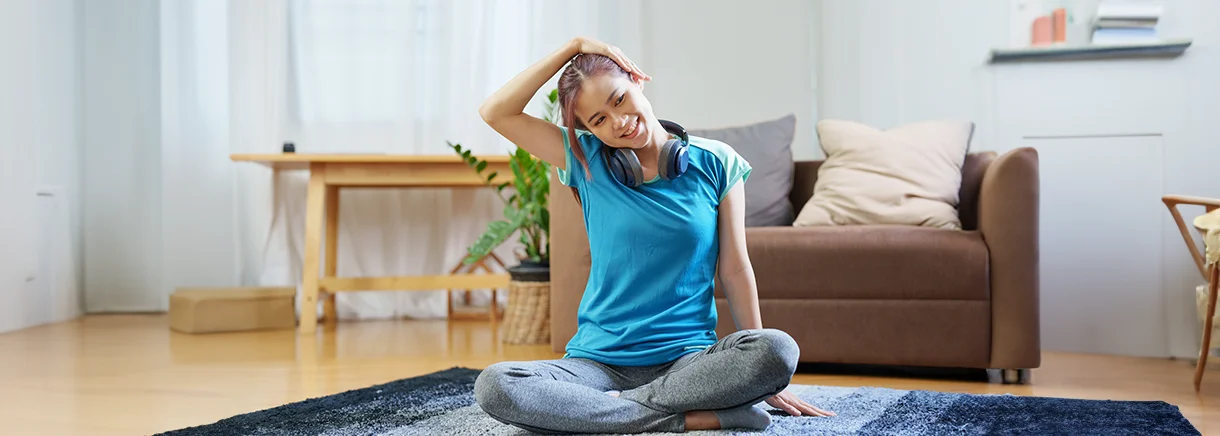
After childbirth, women need time to recover and regain strength during the postpartum period. Engaging in postpartum exercises offers numerous benefits and helps you gradually rebuild your core and overall strength, particularly in the abdominal and pelvic floor muscles. Prioritising your health is crucial for effectively caring for your little one.
Also known as “fourth trimester,” the postpartum period describes the weeks following childbirth when a woman’s body begins to heal from pregnancy. This period begins just after the baby is delivered and extends up to six weeks (42 days).
Physiological conditions during the postpartum period include uterine contractions, vaginal bleeding (lochia), breast engorgement, and hormonal changes. Additionally, emotional challenges, including postpartum blues, exhaustion, and adjusting to new duties, are common.
This period can be divided into three phases:
Each phase has specific clinical issues and considerations.
Depending on your recovery, the type of delivery, and the healthcare provider’s advice, the timeframe to resume exercising after giving birth differs from person to person.
You might not be able to drive, perform sit-ups, crunches, stomach curls, carry anything heavier than your baby, or engage in sexual activity for some time.
According to the World Health Organisation, women should do at least 150 minutes of moderate aerobic exercise per week. For example, aim to stay active for 30 minutes each day. Try easy postpartum exercises that help build key muscle areas, such as your back and abdominals.
Gradually add moderate-intensity exercise but do be aware of your body. Stop if you feel pain or end up over exhausted.
After giving birth, the anatomical and hormonal changes during pregnancy do not simply disappear. Hence, pushing yourself too hard might lead to urinary or faecal leakages, pelvic and joint pain, injury, increased postpartum bleeding, and infection.
Regular postpartum exercise has several advantages for physical and emotional health. Some of the main benefits include:
Postnatal exercises are crucial for new mothers to rebuild strength, tone muscles, and improve general well-being. Consider the following types of postpartum exercises:
Pelvic floor exercises, or more commonly known as Kegel exercises are beneficial in strengthening the pelvic floor muscles, which support the uterus, bladder, small intestine, and rectum. This pelvic floor exercise squeezes and relaxes the pelvic and genital muscles.
Here’s a guide on performing pelvic floor exercises:
Also referred to as Ananda Balasana in yoga, the Happy Baby Pose is a great and calming yoga posture for postpartum recovery. It aids in stretching and relaxing the hips, lower back, and groin region, which can become stiff and tense during pregnancy and labour.
All you require is a floor or yoga mat to do the Happy Baby whenever or wherever.
Follow the steps below to achieve the Happy Baby Pose:
Step 1: Lay down on the ground or a mat with your back straight.
Step 2: Bend the knees 90 degrees towards your chest and bring them towards your belly.
Step 3: Pull your knees gently towards your armpits by reaching forward to grab the inner or outside of your feet.
Step 4: Flex your heels into your hands and rock softly (like a happy baby).
Step 5: Hold this stretch for 30 to 60 seconds. Concentrate on taking long, calm, deep breaths to relax.
Postpartum exercises are crucial for regaining core strength after pregnancy, strengthening the abdominal muscles, and enhancing posture.
Pelvic tilt exercise helps strengthen your lower abdominal muscles.
Diastasis recti occurs when the abdominal muscles are separated from the rectus abdominis muscles at the midline during pregnancy. Due to the strain of the expanding uterus pressing against the abdominal wall, the midline abdominal tissue widens and thins throughout pregnancy.
Toe taps
Toe taps, also known as the knee-up exercise, are an excellent technique to activate your lower abdominal muscles—particularly the transverse and rectus abdominis, which can support core strength and healing following childbirth.
Step 1: Lie flat on your back, either on the floor or on a mat.
Step 2: Using your core muscles, reverse the tabletop posture by pulling your knees up to a 90-degree angle while keeping your hips and knees in line. During the exercise, ensure your lower back is pressed firmly into the ground.
Step 3: As you bring one foot down slowly to tap the ground with the toe, keep the second knee over your hips.
Step 4: Use your core muscles to pull the knee together as you raise the knee back up.
Step 5: Keep your lower back pressed into the ground and pelvis aligned as you repeat on the opposite side.
Step 6: Perform 10 repetitions on each side.
Heel slides
Heel slides might be a helpful activity to incorporate into your postpartum fitness regimen if you have diastasis recti. This exercise strengthens the transverse abdominis and can enhance core stability while reducing stress on the rectus abdominis.
Here are step-by-step instructions:
Step 1: Lie on your back with your knees bent and feet flat.
Step 2: After inhaling and relaxing muscles, exhale while tilting your pelvis backwards.
Step 3: Place one heel on the ground once the leg is straight.
After giving birth, postpartum fitness is essential for helping new mothers rebuild their strength, increase their vitality, and boost their general well-being. It also releases endorphins, a feel-good hormone that helps keep stress and depression away.
Low-impact exercises like walking can begin soon after giving birth (often within days to weeks, depending on your delivery and recovery). You are free to go at your own pace. Walking has been shown to improve circulation, mood, and endurance.
Wear supportive, appropriate footwear with adequate arch support and cushioning. Keep a straight back when walking to support your core muscles. This will lower your risk of back discomfort.
Here is what you need to know about postpartum exercise, including how to get started and stay safe.
In the first few weeks after giving birth, focus on simple exercises and mild motions to gradually resume physical activity. Walking is an excellent way to begin your journey.
Use caution when lifting heavy objects or doing high-impact exercises. These might increase your risk of bone injuries, pelvic floor dysfunction, prolapse, diastasis recti, and delayed wound healing. Your body needs more time to recover before beginning a postpartum exercise routine. But above all, be patient and let your body heal.
Pay close attention to how your body reacts to exercise. Stop the exercise and consult your obstetrician if you feel any pain, discomfort, or strange symptoms.
Check your pelvic floor to see whether it is weak from activities like crunches, Pilates, or regular ab work. Overstretching the pelvic floor can impede recovery and, in severe situations, even cause organ prolapse.
Next, be mindful of diastasis recti. Abdominal muscle separation is a typical occurrence in women after giving birth. So, be careful not to overdo it when engaging in postnatal exercise.
Lastly, watch out for wobbly joints. Ensure that the postpartum exercise selected does not cause jerky movements. Instead, reintroduce exercise gradually with low-impact activities like walking.
Proper hydration and a healthy, balanced diet are essential for postpartum recovery and energy levels. Good hydration will help eliminate constipation and other common postpartum conditions. If you are breastfeeding, you will require extra liquids.
Try to allow your milk supply to be established, before starting an exercise routine after giving birth. Remember that your body is still recovering and healing. You do need to store energy, lower stress levels, be safe, and manage hormonal changes.
As you begin your postpartum exercises, do not overlook walking as a light cardiovascular exercise. With your obstetrician’s consent, you can also incorporate light strength training into your routine. You can try swimming, dancing, Pilates, yoga, deep belly breathing, and more.
Mixing up your postpartum exercise routine to target various muscle areas, progressively advance your fitness level, and avoid boredom is essential.
Enough rest is essential for postpartum recovery. It helps with pain management, breastfeeding support, hormonal balance, physical healing, mental well-being, and overexertion prevention. Ensure you sleep well and give your body time to recover between exercises.
An exercise routine postpartum is crucial to ensure your body rebuilds strength, prevents depression, and many more. However, always consult with your healthcare provider before beginning any exercise routines to ensure it is safe for your postpartum condition.
Get in touch with us to book an appointment with our team of gynaecologists and physiotherapists today, or find out more about our Obstetrics and Gynaecology Services, as well as our Physiotherapy and Rehabilitation Services at your nearest Pantai Hospital.
Pantai Hospitals have been accredited by the Malaysian Society for Quality in Health (MSQH) for its commitment to patient safety and service quality.
This article has been reviewed by the Pantai Integrated Rehab team.

Thank you for your patience