

.webp)

This article is written by Dr. Peggy Ng Pey Yih, Consultant Ophthalmologist, who shares her expertise to help you better understand and take care of your eye health.
Diabetic retinopathy is a common eye complication of diabetes and one of the leading causes of vision loss among Malaysian adults. It occurs when prolonged high blood sugar levels damage the small blood vessels in the retina—the light-sensitive tissue at the back of the eye that allows us to see.
The good news is that early detection and proper treatment can prevent or reduce vision loss.
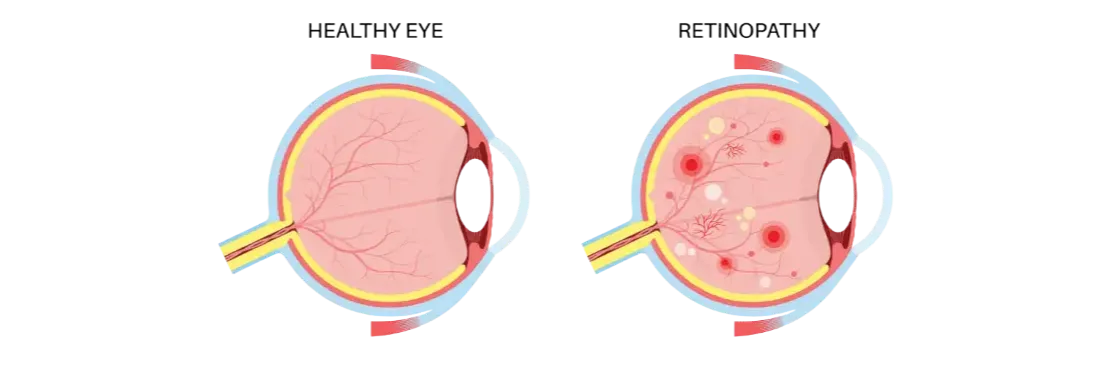
Over time, high blood sugar can weaken retinal blood vessels, causing them to:
These changes interfere with normal vision and may worsen if left untreated.
Diabetic retinopathy usually progresses through several stages:
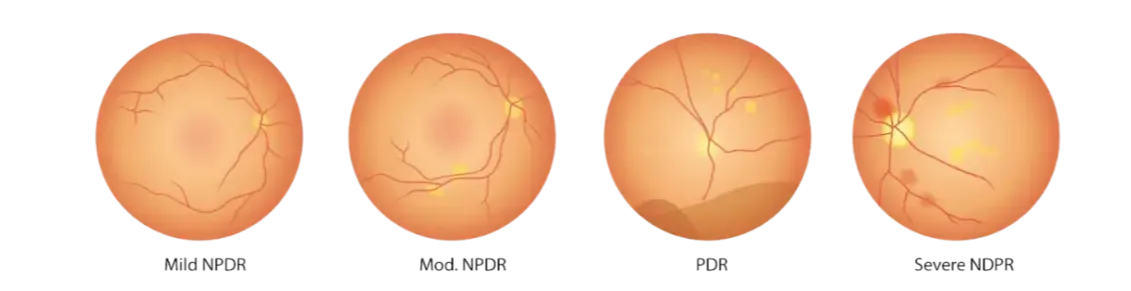
At any stage, fluid may leak into the macula, the central part of the retina, causing diabetic macular edema. This leads to blurred or distorted central vision and is a major cause of vision impairment in diabetic patients.
In the early stages, diabetic retinopathy may not cause noticeable symptoms, which is why regular eye screening is crucial.
As the condition progresses, symptoms may include:
Any sudden change in vision requires urgent eye assessment.
Anyone with diabetes can develop diabetic retinopathy, especially those who:

Diabetic retinopathy is detected through:
Regular screening allows early treatment before vision is affected.
According to the Malaysian Clinical Practice Guidelines, people with type 2 diabetes should undergo their first diabetic retinopathy screening at the time of diagnosis.
Patients should then continue with regular eye examinations to monitor disease progression and detect complications early.
Treatment depends on the severity of the condition:

You can significantly reduce the risk of vision loss by:
Diabetic retinopathy is a serious but preventable cause of blindness. With regular eye examinations, good diabetes control, and timely treatment, most people with diabetes can maintain good vision throughout their lives.
Remember: clear vision starts with good diabetes control and regular eye care.
This article was written by Dr. Peggy Ng Pey Yih, a Consultant Ophthalmologist.
Book your appointment at Pantai Hospital Batu Pahat for a comprehensive diabetic eye check-up. You may also schedule an appointment through our website or via the My Health 360 app available on Google Play Store and Apple App Store.




 9S, Jalan Bintang Satu, Taman Koperasi Bahagia, 83000 Batu Pahat, Malaysia


.webp?sfvrsn=20763f7d_21)
.webp?sfvrsn=f2a2c343_12)


 +607-433 9991
 e-Shop
 Request an Appointment
.webp)