

The Importance of Whole Food Compared to Processed Food: An Oncologist Perspective

Published On: 03/12/2025

As an oncologist, I am frequently asked by patients and the community about practical cancer prevention measures that can be applied in daily life. While genetic and environmental factors play a role, lifestyle—particularly diet—is a critical element.

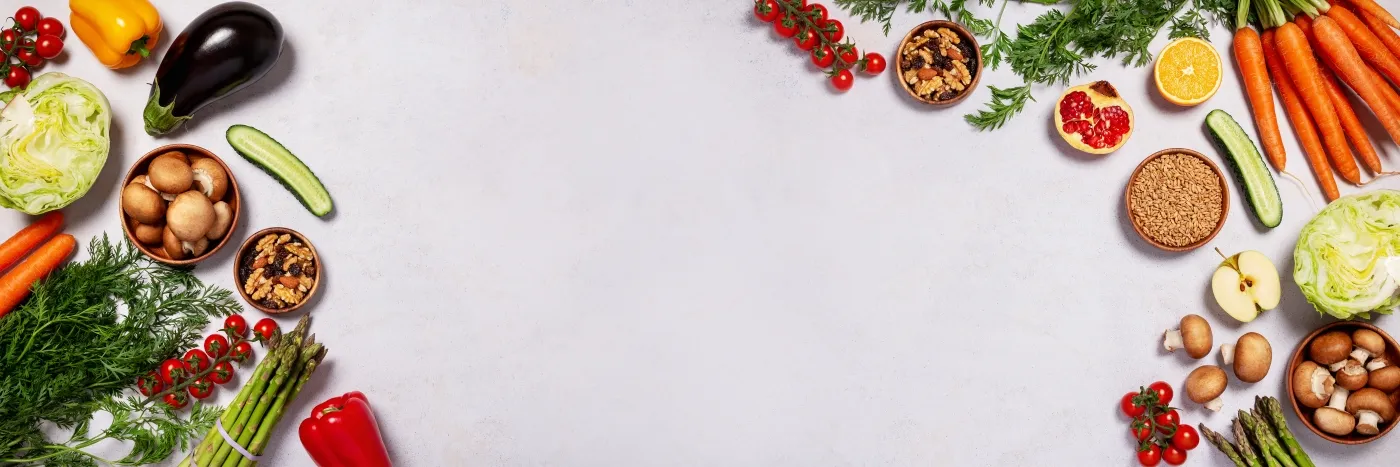
One of the key principles of healthy eating is to prioritize whole food (natural food) over processed food. Whole food refers to those in their natural state or minimally processed, such as fresh fruits, vegetables, whole grains, legumes, fish, and lean meats without additives

Why Whole Food is Better?

  • Rich in natural nutrient
    Whole food supplies vitamins, minerals, fiber, and phytochemicals that safeguard cells against DNA damage, one of the causes of cancer.
  • Reducing harmful chemicals
    Processed food often contains preservatives, artificial coloring, excessive salt, added sugar, and fats. These ingredients can increase inflammation in the body and have been linked to certain cancer risks.
  • Supporting the immune system
    Fiber from fruits and vegetables promotes gut health, which plays a vital role in the immunity system. A healthy gut is better equipped to fight abnormal cells.
  • Managing weight
    Whole food is typically lower in calories yet rich in nutrients. Being overweight is one of the major risk factors for cancer, including breast, colon, and pancreatic cancers.

Examples of Whole Food Malaysia

  • Ulam (edible herbs) such as ulam raja, pegaga, and petai — rich in antioxidants and fiber.
  • Fresh tropical fruits such as mango, rambutan, banana, and papaya — sources of vitamin C and beta-carotene.
  • Local vegetables such as kangkung (water spinach), spinach, mustard leaves, and pucuk paku (fern shoots) — support gut health and immunity.
  • Whole grains like brown rice or red rice, used in dishes such as nasi ulam or nasi kerabu.
  • Healthy protein including grilled mackerel, tenggiri (Spanish mackerel), or free-range boiled chicken without additives.
  • Local legumes such as boiled peanuts or tempeh (fermented soybean product).

Examples of Processed Food in Malaysia

  • Processed meats: frozen instant satay, chicken nuggets, and commercial sausages.
  • Sugary drinks: overly sweetened teh tarik, carbonated beverages, and concentrated sirap bandung.
  • Salty or MSG-rich snacks: instant noodles, spicy cassava chips, and packaged instant crackers.
  • Commercial pastries high in trans fats: supermarket donuts and packaged sweet biscuits.

Conclusion

By choosing Malaysian food in their whole form such as ulam (edible herbs), grilled fish, fresh tropical fruits, and brown rice, we not only preserve our local food culture but also protect the body against the risk of chronic diseases, including cancer.



Our Specialists

Load More
Loading...
Thank you for your patience