
.webp)
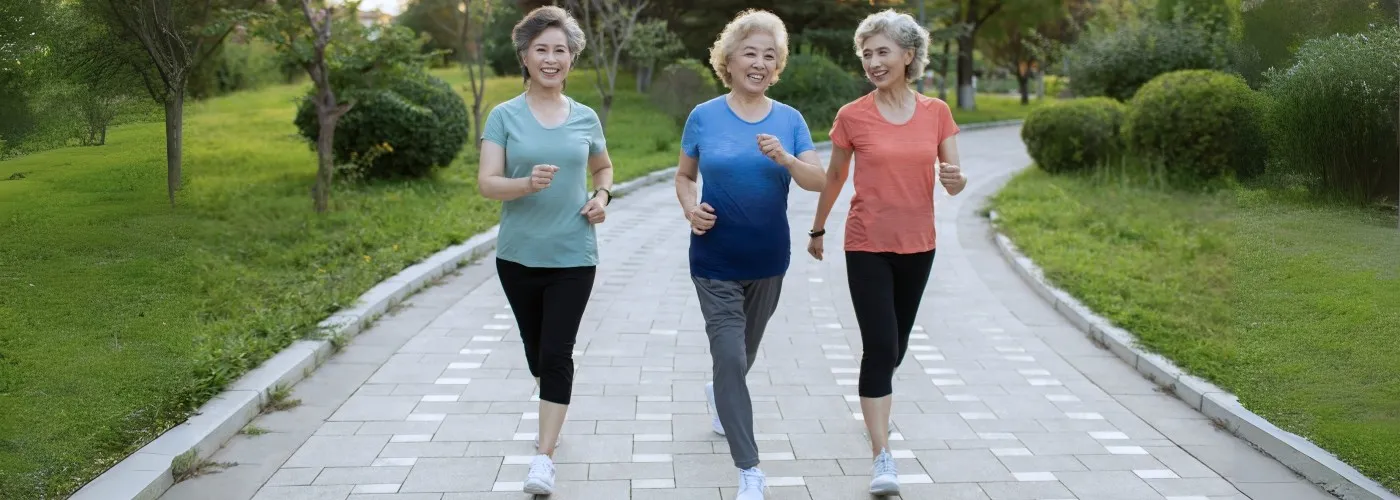
Osteoporosis is a condition that causes bones to become weak and brittle, significantly increasing the risk of fractures. Although it can affect both men and women, postmenopausal women are particularly at risk due to the rapid decline in oestrogen, a hormone vital for bone density. As women enter menopause, understanding the connection between hormonal changes and bone health becomes essential (Keen & Reddivari, 2023).
Menopause marks the end of a woman’s menstrual cycle and usually occurs between the ages between 45 and 55. One of its most significant impacts is the decrease in oestrogen, which plays a crucial role in maintaining bone strength (Peacock & Ketvertis, 2023).
Oestrogen helps to regulate the natural cycle of bone formation and breakdown. After menopause, its decline accelerates the rate at which bone tissue is lost.
Bone resorption, or the breakdown of bone tissue, becomes more active than bone formation, leading to decreased bone density and strength.
Women can lose up to 20% of their bone mass within the first five to seven years after menopause, making this a critical window for intervention.
Weakened bones are more susceptible to fractures, especially in the hips, spine, and wrists. A minor fall or bump could lead to serious injury.
Osteoporosis is often called the "silent disease" because bone loss occurs without symptoms until a fracture happens. Women who have entered menopause face an increased risk due to hormonal changes.
Women who enter menopause before the age of 45 have a longer duration of low oestrogen exposure, which heightens the risk of osteoporosis.
The removal of ovaries (oophorectomy) leads to an abrupt decline in hormone levels, placing women at higher immediate risk.
Women who had lower bone density in their youth are more vulnerable to rapid bone loss during menopause.
A family history of osteoporosis or hip fractures further increases the risk when combined with hormonal changes.
Smoking, excessive alcohol, and sedentary habits compound the effects of menopause on bone density.
While menopausal women are at higher risk, several other factors contribute to the development of osteoporosis across different demographics (National Institute of Aging, 2022).
Women are more likely to develop osteoporosis than men due to smaller bone structures and hormonal shifts.
Bone density naturally declines with age, but the decline is more pronounced in those over 65.
Caucasian and Asian women have a higher risk compared to other ethnicities, likely due to genetic and structural differences.
Low body mass index (BMI) is linked to reduced bone mass and greater fragility.
Lack of calcium, vitamin D, and protein in the diet weakens bones over time.
Autoimmune diseases like rheumatoid arthritis, thyroid imbalances, and certain gastrointestinal disorders can accelerate bone loss.
Long-term use of corticosteroids and anticonvulsants may interfere with bone regeneration.
Routine screening for at-risk groups helps prevent complications. At Pantai Hospitals, we offer targeted diagnostic tools to assess your osteoporosis risk accurately.
While osteoporosis cannot be entirely reversed, several measures can strengthen bones and reduce fracture risk. These interventions are most effective when started early.
Ensure adequate intake of calcium through dairy, leafy greens, almonds, and fortified foods. Adult women should aim for 1,000 to 1,200 mg per day.
Vitamin D is essential for calcium absorption. Safe sun exposure and supplements can help maintain optimal levels.
Activities like walking, hiking, and strength training help stimulate bone formation and maintain density.
Quitting smoking can slow bone loss and improve overall health outcomes.
Limit alcohol to one drink per day or less to reduce negative impacts on bone health.
Bisphosphonates, hormone replacement therapy (HRT), and selective oestrogen receptor modulators (SERMs) are common treatments prescribed by doctors.
Modifying the home environment, wearing proper footwear, and improving balance can reduce the risk of injury from falls.
Yes, with bone density scans like DEXA, osteoporosis and osteopenia (mild bone loss) can be detected before fractures occur.
HRT can help maintain bone density, especially in younger menopausal women, but it must be evaluated on an individual basis due to potential risks.
Most people have no symptoms until they fracture a bone. Some may experience height loss or a stooped posture over time.
While it cannot be cured, it can be effectively managed with medication, lifestyle changes, and regular monitoring.
Bone density typically declines rapidly during the first 5 to 7 years following menopause, making early preventive steps essential.
The connection between menopause and osteoporosis is undeniable, yet it often goes unnoticed until a serious fracture occurs. As women approach menopause, bone health should become a top priority. Oestrogen’s protective role in bone formation diminishes rapidly during this phase, placing women at heightened risk for osteoporosis and related complications.
Do not wait—book your appointment today and start your journey toward better health. Our team is here to support you every step of the way. You may also book an appointment via our website or download the MyHealth360 application from the Google Play Store or Apple App Store
Pantai Hospitals have been accredited by the Malaysian Society for Quality in Health (MSQH) for its commitment to patient safety and service quality.
LeBoff, M. S., Greenspan, S. L., Insogna, K. L., Lewiecki, E. M., Saag, K. G., Singer, A. J., & Siris, E. S. (2022). The clinician’s guide to prevention and treatment of osteoporosis. Osteoporosis International, 33(10), 2049–2102. https://doi.org/10.1007/s00198-021-05900-y
Keen, M. U., & Reddivari, A. K. R. (2023, June 12). Osteoporosis In Females. PubMed; StatPearls Publishing. https://www.ncbi.nlm.nih.gov/books/NBK559156/
Peacock, K., & Ketvertis, K. M. (2023). Menopause. National Library of Medicine; StatPearls Publishing. https://www.ncbi.nlm.nih.gov/books/NBK507826/




.webp?sfvrsn=20763f7d_21)
.webp?sfvrsn=f2a2c343_12)


 e-Shop
 Request an Appointment
.webp?sfvrsn=276ce14_1/vector-(3).webp) International Patient
International Patient

 Find A Doctor