

.webp)
Receiving a cancer diagnosis can be overwhelming for both the patients and their families. During this initial period, many might make changes to their diet in the hopes of helping fight cancer and alleviate any treatment side effects they might have.
To further complicate matters, there is an abundance of information on cancer nutrition on the Internet and social media that may not always be credible.
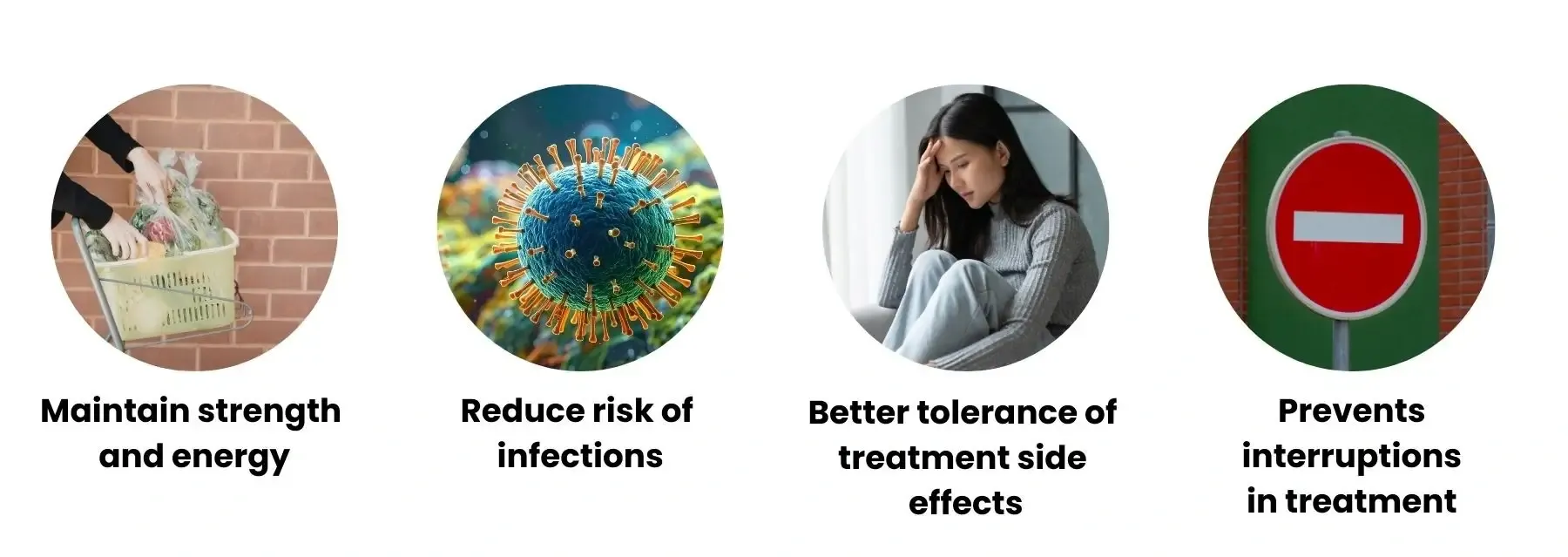
Maintaining a healthy weight and having good nutrition is important in order to [1]:
Myth 1: I have to avoid sugar or carbohydrates like rice and noodles completely as it “feeds” cancer cells.
It is true that cancer cells divide rapidly and require a lot of energy in the form of sugar (glucose). However, limiting the amount of sugar consumed will not stop the growth of cancer cells; they will simply convert your muscle and fat into sugar for use. Moreover, glucose is also the primary fuel source for the other healthy cells in your body [2-4].
Being overly restrictive in your diet, such as cutting out foods with added sugars or carbohydrates completely, can unnecessarily limit your food choices and potentially impact your overall food intake.
Focus your diet on healthy carbohydrates, including wholegrains, starchy vegetables, beans, and fruits. Enjoying a sweet treat occasionally is acceptable as part of a balanced diet and can contribute to overall quality of life.
Myth 2: Regular chicken should be avoided; only organic chicken should be consumed.
Many might fear consuming commercial chicken, believing that it is injected with hormones that might affect the effectiveness of their cancer treatment.
In reality, the practice of injecting growth hormones into livestock has been prohibited in Malaysia since the 1980s. Chickens nowadays grow faster due to genetic selection and more nutritious feed, rather than hormone injections [5,6].
Myth 3: Taking antioxidant supplements during cancer treatment will improve outcomes.
To date, there is no strong evidence to show that taking antioxidant supplements during cancer treatment is beneficial. High doses of antioxidants might even worsen outcomes by promoting tumor growth or interfering with chemotherapy or radiotherapy [7,8].
Instead, it is best to obtain your antioxidants from a balanced diet that includes a wide variety of fruits and vegetables.
Always speak to your doctor if you are currently taking supplements or are considering taking one.
Myth 4: Seafood should be avoided during cancer treatment.
It is common to hear that people with cancer should avoid seafood, especially prawns and other shellfish because they are believed to be “poisonous”. However, there is no scientific evidence to support this claim.
In fact, seafood is a good source of protein, which is essential for maintaining strength and repairing body tissues during chemotherapy treatment.
The main exception is raw or undercooked seafood, which carries a higher risk of bacterial contamination. Cancer and its treatment can weaken the immune system, increasing your risk of foodborne illness.
Myth 5: People with cancer should avoid the consumption of red meat.
Excessive consumption of red meat, especially charred meat and processed meat like bacon and ham, has been linked to an increased risk of bowel cancer [9,10, 11], alongside other risk factors such as excess weight, alcohol use, and smoking [12].
However, there is no evidence that red meat should be avoided completely during cancer treatment. In fact, they can be a good source of protein and other important nutrients, including iron and vitamin B12, to support the production of red blood cells.
A moderate intake of 3 portions per week, or around 500g of cooked red meat including mutton, lamb, and pork, is considered acceptable as part of a well-balanced diet.
While the many nutrition information out there can be overwhelming, the key focus for cancer patients is to eat enough to ensure adequate nutrient intake.
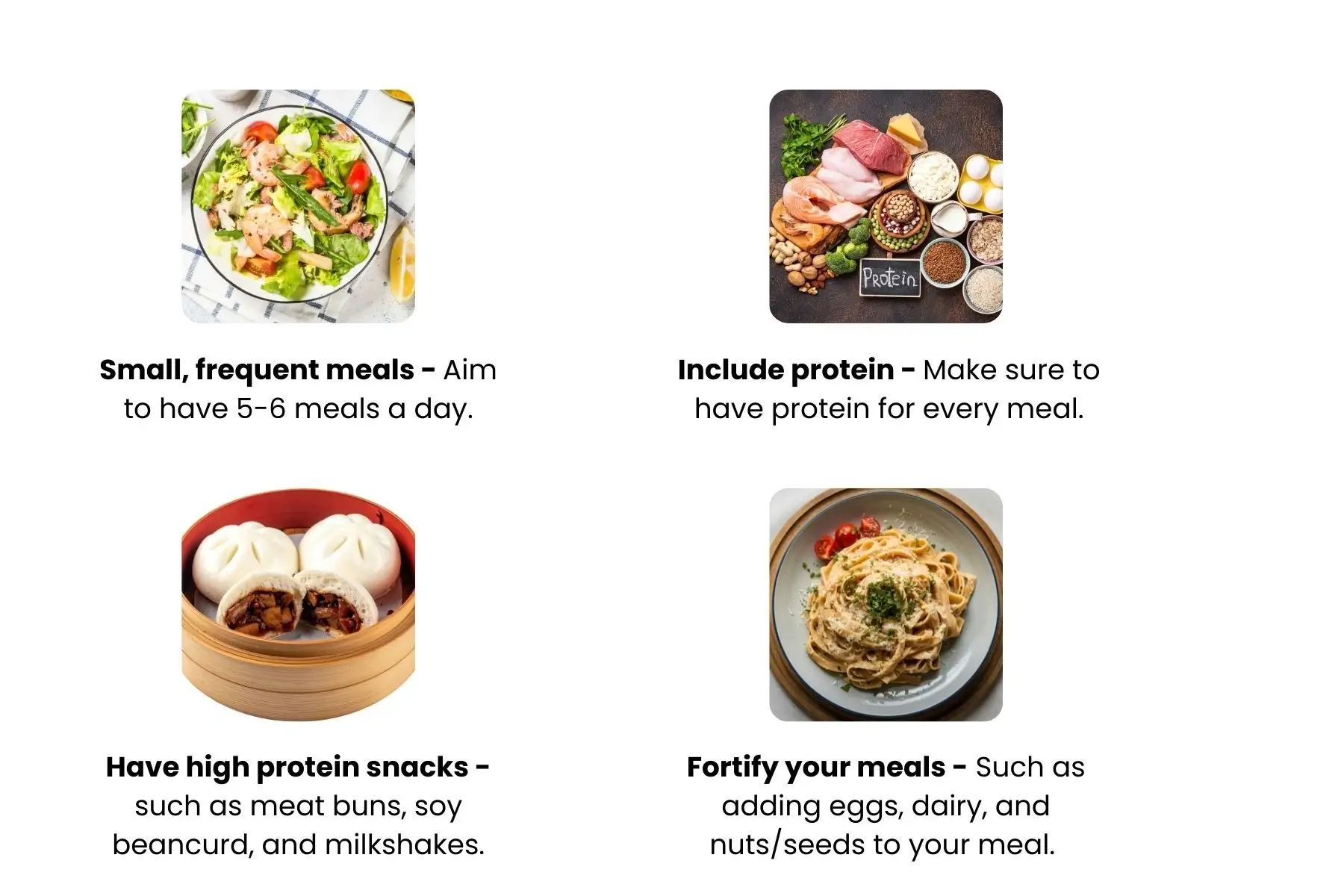
Some tips to boost energy and protein intake:
If you or your loved ones have problems with eating, talk to your doctor and ask them to refer you to a dietitian. A dietitian is the best person to speak to about your diet and nutrition. They can help with:
Speak with your doctor to get a referral to a dietitian to address any nutrition-related concerns.
Written by Dietitians of Pantai Hospital Penang




 82, Jalan Tengah, Bayan Baru, 11900 Bayan Lepas, Penang, Malaysia


.webp?sfvrsn=20763f7d_21)
.webp?sfvrsn=f2a2c343_12)



 +604–643 8799
 e-Shop
 Minta temu janji
.webp?sfvrsn=276ce14_1/vector-(3).webp) Pesakit Antarabangsa
Pesakit Antarabangsa.png)