

.webp)

Measles is a highly contagious disease that can affect people of all ages, but it is most dangerous for young children. While many parents may think measles is a thing of the past, the truth is that outbreaks still occur, and unvaccinated children are at risk. The good news is that measles is preventable with timely vaccination. Understanding the signs, risks, and protection measures can help you safeguard your child’s health.
Measles is caused by a virus that spreads easily through the air when an infected person coughs, sneezes, or talks. The virus can also survive for a short time on surfaces, which means touching contaminated objects and then touching your face can lead to infection.
Anyone who has not been vaccinated or previously infected can get measles. Children under the age of five, especially infants too young to be vaccinated, are at higher risk of serious illness.
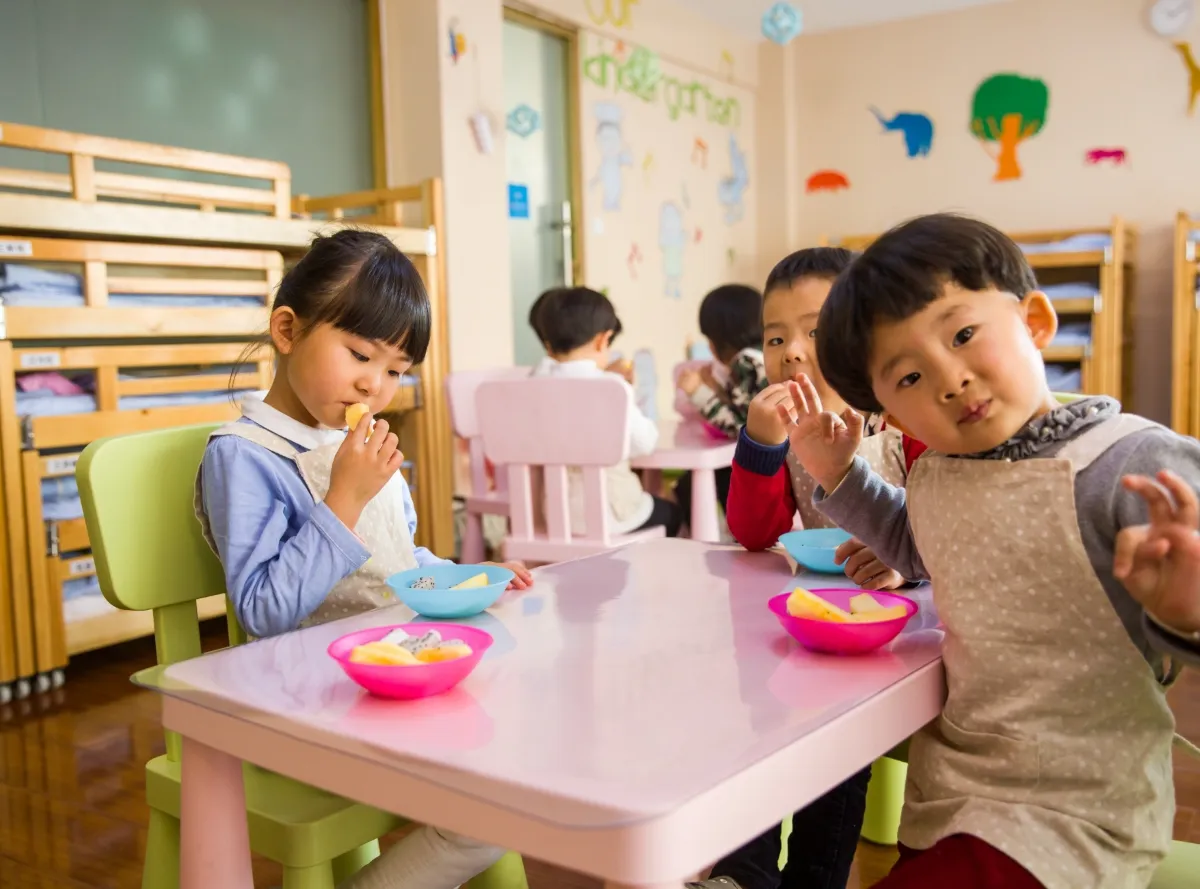
Measles is one of the most contagious diseases known. If someone in your home has measles, up to 90 percent of the people around them who are not immune will also become infected. The virus can linger in the air for up to two hours after an infected person leaves the area, which is why outbreaks can spread so quickly in schools, childcare centres, and other crowded places.
The symptoms of measles usually appear 10 to 14 days after exposure. They can start with signs similar to a common cold, which can make early detection challenging.
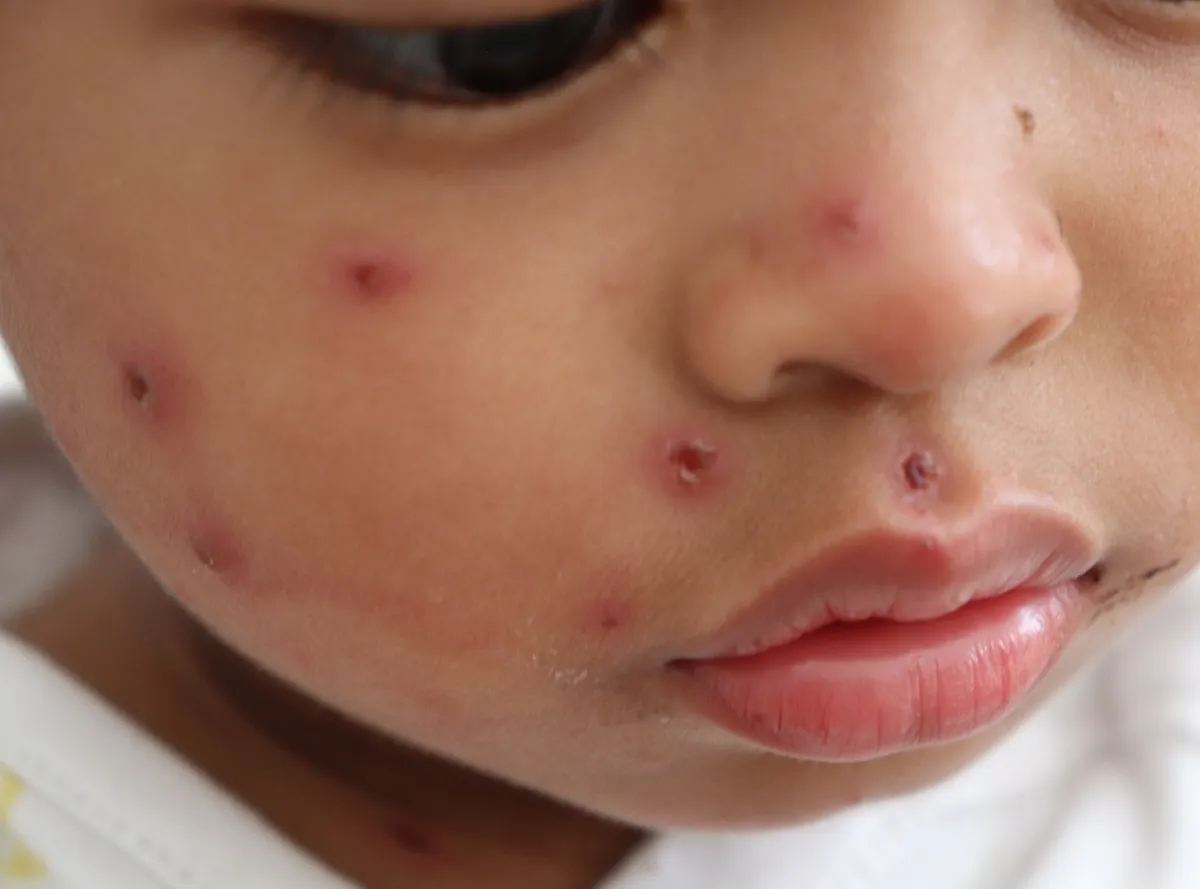
A few days after these symptoms appear, a distinctive red rash will develop. It usually starts on the face and behind the ears before spreading to the rest of the body. The rash can last for about a week and is often accompanied by a high fever.
While many children recover from measles without lasting problems, the disease can cause serious complications, especially in young children and those with weakened immune systems. These include:
In rare cases, measles can be fatal. The risk of complications is higher for children under five, adults over 20, pregnant women, and people with poor nutrition or weakened immunity.
If you suspect your child has measles, contact your doctor immediately. Early medical attention is important to confirm the diagnosis and monitor for complications. Measles is diagnosed based on symptoms, travel or exposure history, and sometimes blood tests.
There is no specific antiviral medication for measles. Treatment focuses on relieving symptoms and supporting the body’s recovery. This may include:
Children with measles should stay home from school or daycare until they are no longer contagious, which is typically four days after the rash appears.
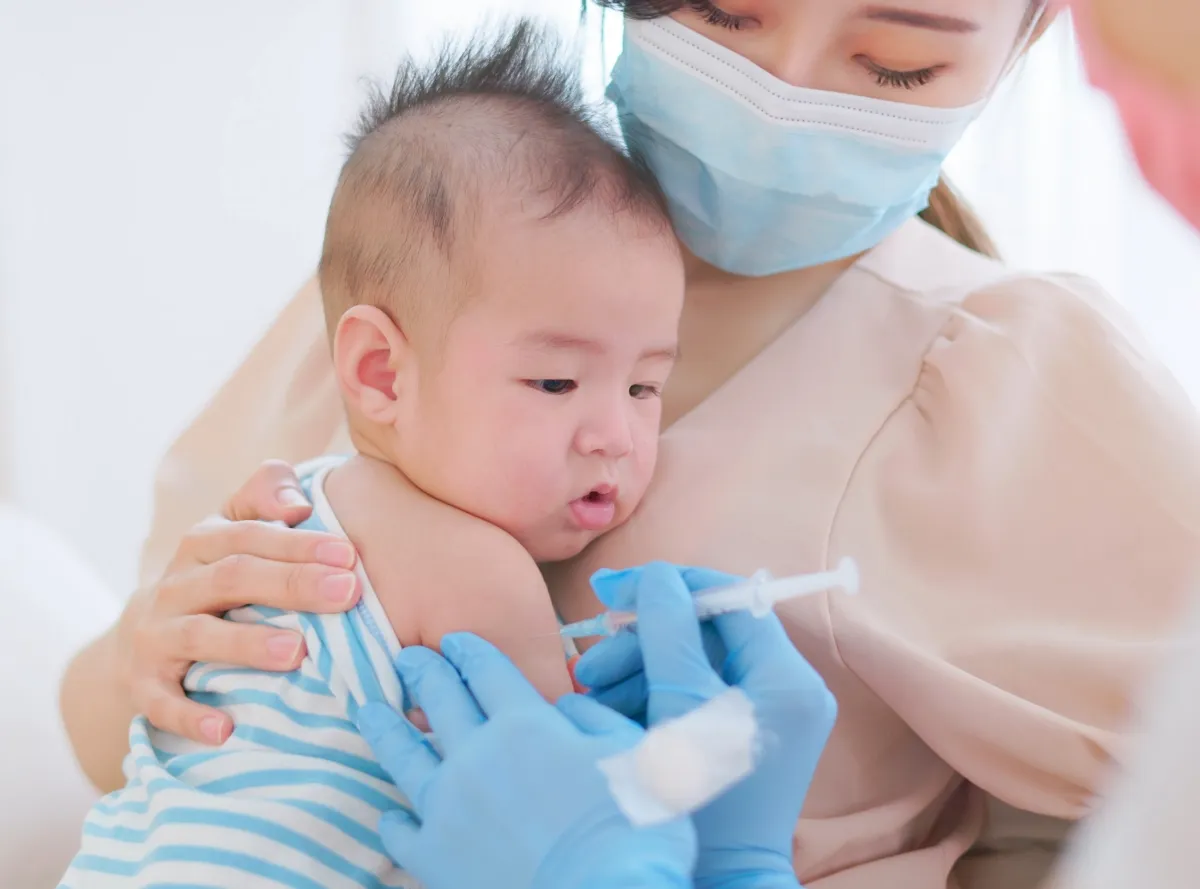
The most effective way to prevent measles is through vaccination. In Malaysia, the measles vaccine is given as part of the MMR (measles, mumps, rubella) or MMRV (measles, mumps, rubella, varicella) vaccine.
The standard schedule is:
Vaccination not only protects your child but also helps protect others in the community, including those who cannot be vaccinated due to age or medical conditions. This is known as herd immunity and is vital for preventing outbreaks.
Parents should keep vaccination records up to date and consult their doctor if they are unsure whether their child has received both doses.
To protect your child from measles:
The Takeaway
Measles is not just a childhood illness of the past. It is a serious and highly contagious disease that still poses a risk to unvaccinated children. By recognising the symptoms, understanding how it spreads, and ensuring your child is vaccinated, you can help keep your family and community safe.
To better understand the measles vaccine or your child’s vaccination schedule, consult your doctor. Acting early and prioritizing prevention are the best steps to protect your child’s health.
If you have questions or need support, the paediatric team at Pantai Hospital Ampang is here to guide you through every step—from diagnosis to recovery to prevention.




 Jalan Perubatan 1, Pandan Indah, 55100 Kuala Lumpur, Malaysia


.webp?sfvrsn=20763f7d_21)

.webp?sfvrsn=f2a2c343_12)


 +603-4289 2990
 e-Shop
 Minta temu janji
.webp)