

.webp)

Stroke is one of the leading causes of death and long-term disability in Malaysia. In 2019 alone, there were over 47,000 new stroke cases, nearly 20,000 deaths, and more than 440,000 Malaysians living with the effects of a stroke.
While many assume stroke affects only older adults, data shows a worrying trend among younger Malaysians. Between 2008 and 2016, the stroke rate in men aged 35–39 increased by 53.3%, and by 50.4% in women of the same age group, making it a growing concern for working-age adults as well.
The good news is that many strokes can be prevented, and early recognition of the warning signs can save lives. Here’s what to look for.
Doctors often use the acronym BE FAST to help people quickly recognise the most common warning signs of a stroke. Each letter highlights a symptom that can appear suddenly when the brain’s blood supply is disrupted:
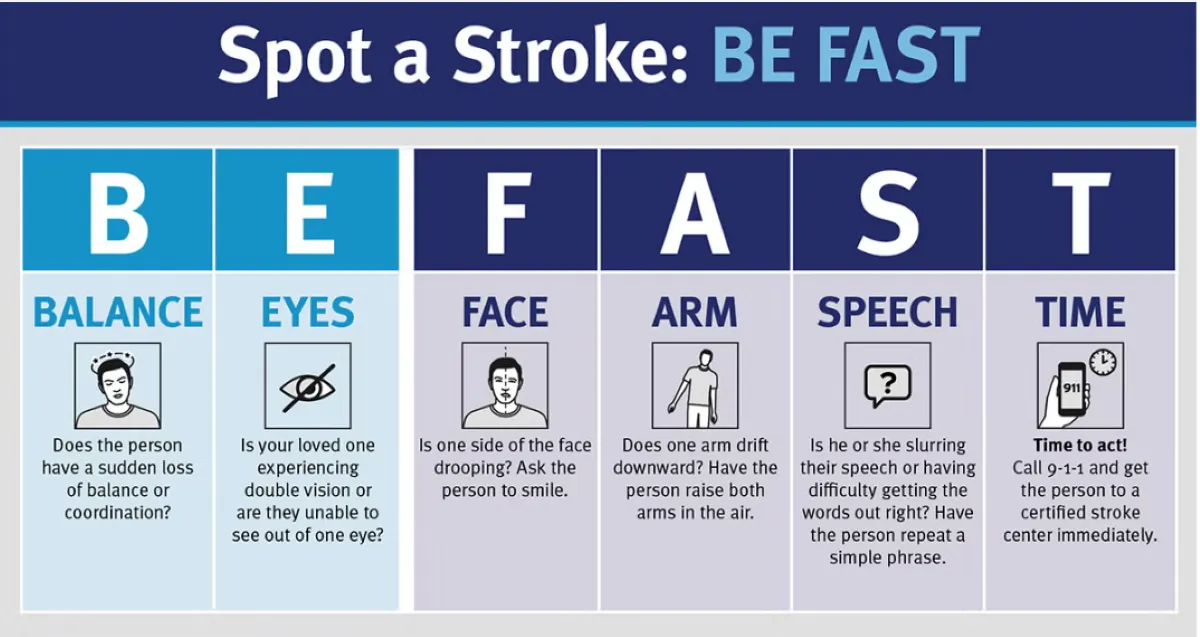
While "T" is not a symptom, it serves as a powerful reminder: if any of the signs above appear, call 999 immediately. The sooner treatment begins, the better the chances of survival and recovery.
1. Balance Problems
Sudden dizziness, unsteadiness or trouble walking may signal a stroke, particularly one affecting the brain stem or cerebellum.
2. Eyesight Changes
Blurred vision, double vision, or sudden loss of sight in one or both eyes are common stroke indicators.
3. Facial Drooping
If one side of the face appears to sag or the person struggles to smile evenly, it may point to muscle weakness caused by a stroke.
4. Arm or Leg Weakness
Ask the person to raise both arms or legs. If one drifts downward or feels numb, this could signal weakness on one side of the body.
5. Speech Difficulty
Slurred speech, garbled words, or trouble understanding others should raise immediate concern.
6. Sudden Confusion
The person may seem disoriented, unable to follow a simple conversation, or have trouble speaking clearly even if they were fine moments earlier.
7. Severe Headache
A sudden, intense headache with no known cause—especially if it’s accompanied by nausea or vomiting—can be a sign of bleeding in the brain.
8. Numbness or Tingling
A pins-and-needles sensation, especially affecting just one side of the body (face, arm or leg), may indicate disrupted brain function.
9. Loss of Coordination or Vertigo
Struggling with basic movements, such as walking or holding objects, may suggest impaired motor control. Some people experience sudden spinning sensations (vertigo).
10. Sudden Fatigue or Fainting
In some cases, particularly among women, stroke can begin with inexplicable exhaustion, fainting, or a sudden sense of physical collapse.
Time is critical when treating stroke. Treatments like thrombolysis (to break up blood clots) are most effective within 4.5 hours of the first symptom. Acting fast not only saves brain function, but can also mean the difference between full recovery and lifelong disability.
Several lifestyle and health factors make Malaysians particularly vulnerable to stroke:
The Malaysian Community Salt Study (MyCoSS) revealed that Malaysian adults consume an average of 3,167 mg of sodium daily—well above the World Health Organization’s recommended limit of 2,000 mg. High sodium consumption, especially from processed or salty foods, is a significant contributor to hypertension and stroke.

To reduce your risk:

Stroke can happen without warning. But with quick recognition and immediate medical attention, many lives can be saved or improved. Remember the BE FAST checklist, and don’t delay if something seems off.
Pantai Hospital Ampang offers stroke screenings, blood pressure checks, and lifestyle support to help you stay one step ahead.
Don’t let a stroke catch you by surprise — take charge of your health today! Detect risks early with our Stroke Screening Package.




 Jalan Perubatan 1, Pandan Indah, 55100 Kuala Lumpur, Malaysia


.webp?sfvrsn=20763f7d_21)

.webp?sfvrsn=f2a2c343_12)

 +603-4289 2990
 e-Shop
 Request an Appointment
.webp)