

.webp)

Shoulder pain is something many people brush off. It may start as a mild ache after exercise, stiffness in the morning, or discomfort when reaching overhead. Often, it settles with rest. But when the pain lingers or begins to interfere with everyday movement, it may point to a deeper problem such as a rotator cuff tear.
This article, featuring insights from Dr Sabbir, Orthopaedic – Arthroscopy & Sports Surgeon Consultant, uncovers when shoulder pain may mean more than just muscle strain. Learn how rotator cuff injuries develop, the symptoms to watch for, and when surgery may be the right step toward lasting recovery.
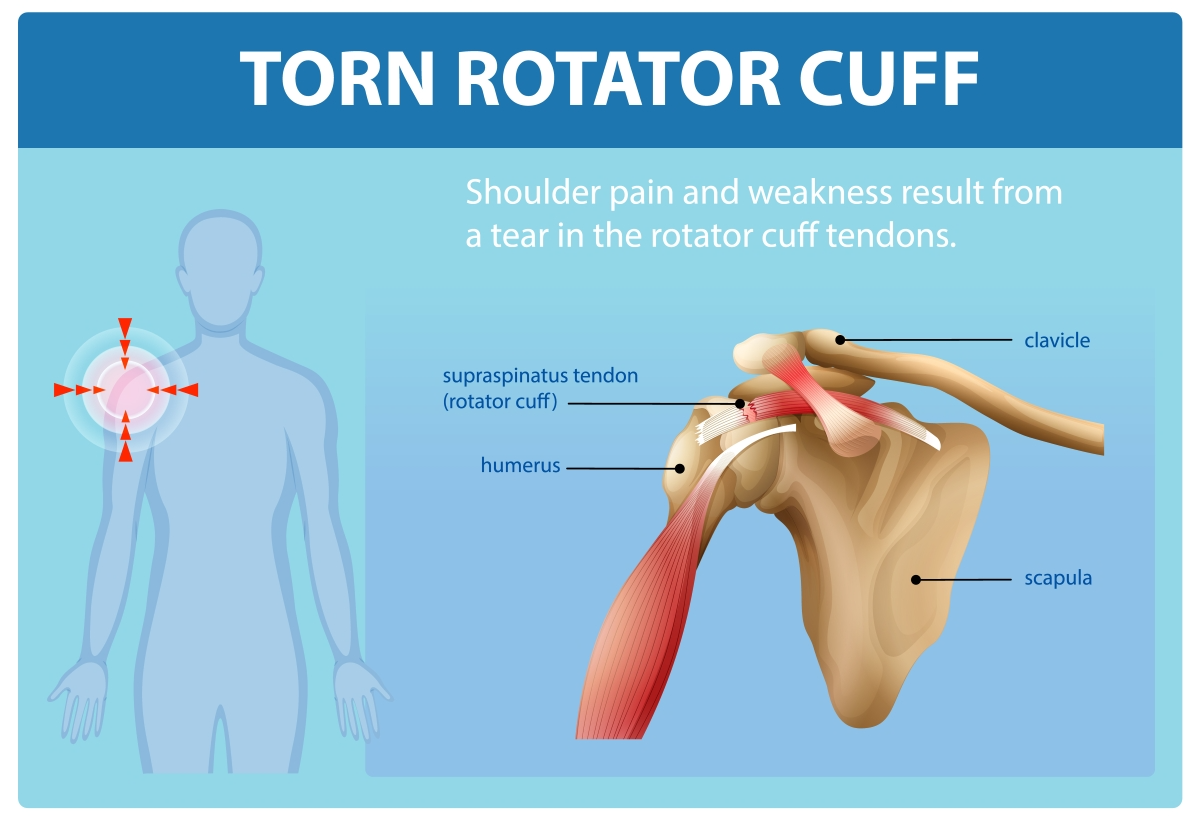
The rotator cuff is a group of four muscles and tendons that stabilise the shoulder and allow the arm to lift and rotate. A tear occurs when one or more of these tendons is damaged or pulled away from the bone. This may happen after a fall or heavy lifting, from repeated overhead movements, or through gradual wear and tear with age. Small tears may cause mild discomfort, while full-thickness tears often lead to weakness and reduced movement.

If these symptoms last more than three to six months, worsen, or disrupt sleep, work, or self-care, a medical assessment is important.
Not all tears require surgery. Whether non-surgical treatment is suitable depends on the size of the tear and how much pain and weakness it causes.
Non-surgical treatment may include:
These approaches are often effective for small or partial tears. However, full-thickness tears, ongoing pain, or failure to improve with physiotherapy usually require surgical repair.
Surgery is usually considered when symptoms do not improve with conservative treatment. You may be advised to consider surgery if you have:
The decision is guided by examination, imaging such as MRI, and discussion of your lifestyle and recovery goals.
Arthroscopic rotator cuff repair is a minimally invasive procedure used to reattach the torn tendon to the bone using a small camera and instruments inserted through tiny incisions around the shoulder.
Compared with open rotator cuff repair, arthroscopic surgery usually results in smaller scars, less post-operative discomfort, and a faster early recovery. Some pain is expected in the first few weeks, but this is managed with medication and a physiotherapy programme.
Recovery is gradual and follows several stages:
Week 1 to 4
Week 4 to 12
Month 3 to 6
Month 6 to 12
Full recovery commonly takes six to twelve months.
As with any surgical procedure, rotator cuff repair carries some risks. While complications are uncommon, potential risks include:
Most patients recover well when surgery is performed by an experienced team and rehabilitation guidelines are followed closely.
Weight lifting is restricted during the early stages of recovery to protect the repaired tendon. Light resistance work is introduced gradually during the strengthening phase. Heavy lifting, overhead training, and contact sports should only resume after your specialist confirms that the shoulder has healed.
Good preparation can make recovery smoother. This usually includes:
You should consult a specialist if you experience:
If you are experiencing ongoing shoulder pain or weakness, you can consult the orthopaedic team at Pantai Hospital Ampang for assessment and guidance on the most appropriate treatment options.
Contact us today or you may also book an appointment via our website or download the MyHealth360 application from the Google Play Store or Apple App Store.
#PantaiHospitalAmpang




 Jalan Perubatan 1, Pandan Indah, 55100 Kuala Lumpur, Malaysia


.webp?sfvrsn=20763f7d_21)

.webp?sfvrsn=f2a2c343_12)


 +603-4289 2990
 e-Shop
 Request an Appointment
.webp)