


Maybe it starts with a tightness in your chest that you have not felt before. Or you notice you are unusually breathless climbing the stairs, even though you have done it countless times. Sometimes, it is simply the feeling that your heart is beating faster, harder or differently than usual.
It is easy to brush off these changes, especially when they come and go. While they may not always mean something is wrong with your heart, knowing when to get them checked can make a real difference.
Getting checked early does not necessarily mean something serious will be found. But if there is a problem, it gives you and your doctor a better chance to understand it and decide what to do next. This guide walks you through each stage of heart care at Pantai Hospital Ampang, from heart health screening and cardiac tests to treatment, recovery and long-term follow-up.
Chest pain or discomfort, shortness of breath, dizziness, unexplained fatigue and heart palpitations are worth discussing with a doctor, particularly if they are new, keep returning or seem to be getting worse.
But you do not have to wait for symptoms. High blood pressure, high cholesterol, diabetes and a family history of heart disease can increase your risk, so a heart health screening may be worthwhile even when you feel well.
During a cardiology consultation, your cardiologist will consider your symptoms alongside your medical and family history, lifestyle and individual risk factors. Together, these help build a clearer picture of your heart health and whether anything needs a closer look.
Go to the nearest emergency department straight away if you have chest pain or pressure that lasts more than a few minutes, pain spreading to your arm, neck, jaw or back, shortness of breath, cold sweats, nausea or light-headedness. Do not wait to see whether the symptoms pass.
When symptoms are sudden or severe, every minute matters. During a heart attack, blocked blood flow deprives the heart muscle of oxygen, and the longer this continues, the greater the risk of damage. This is why the early period after symptoms begin is often called the “golden hour”. Pantai Hospital Ampang’s cardiologists and cardiac catheterisation laboratory (cath lab) team are on standby 24 hours a day, seven days a week, so urgent cardiac cases can be assessed and treated promptly.
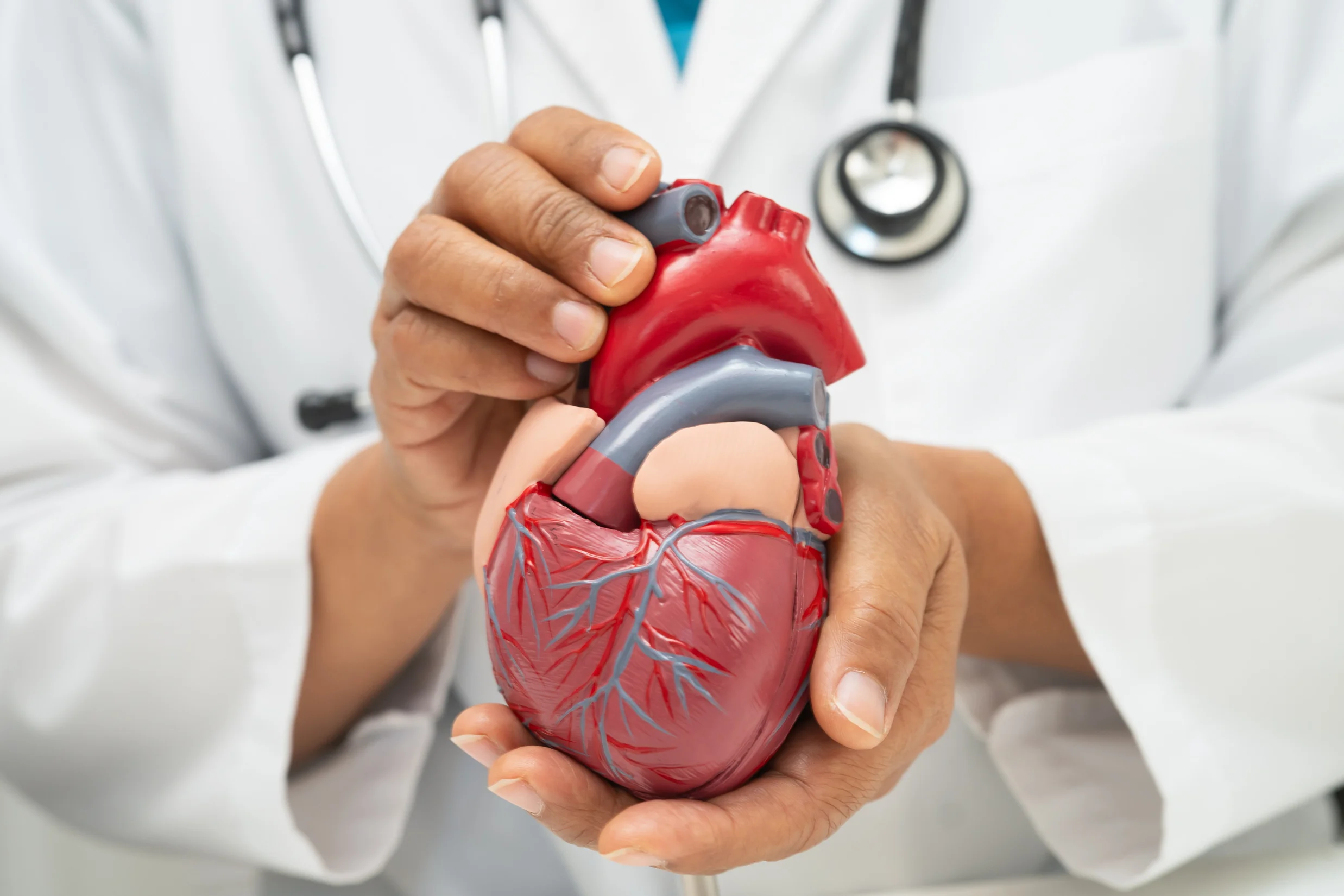
Not everyone needs the same tests. Depending on your initial assessment, your cardiologist may recommend cardiac diagnostic tests to understand how your heart is working and what could be causing your symptoms.
Common cardiac diagnostic tests include electrocardiogram (ECG), echocardiogram, treadmill stress test, holter monitoring, CT coronary angiogram, and coronary angiogram.
Sometimes, these investigations reveal coronary artery disease, where the arteries carrying blood to the heart become narrowed or blocked. With less oxygen-rich blood reaching the heart muscle, you may experience chest discomfort or breathlessness, while a severe blockage can lead to a heart attack.
What comes next will depend on what is happening in your heart and the treatment that is right for you.
For some people, heart disease treatment may mean medication, lifestyle changes and regular monitoring. Others may need an intervention such as percutaneous coronary intervention (PCI), also known as coronary angioplasty, which uses a thin catheter to reach and open a narrowed or blocked coronary artery. A small mesh tube called a stent is often placed to help keep the artery open.
Pantai Hospital Ampang performed 47 PCI procedures in 2025 and another 28 in the first six months of 2026. More than 90% of coronary artery lesions treated with PCI were successfully opened during this period, with rates of 94% in 2025 and 92% in the first half of 2026.
Importantly, 96% of PCI procedures were completed without complications during or after the procedure. Together, these outcomes reflect what matters beyond the procedure itself: treating the problem effectively while helping patients move safely towards recovery.
Outcome | 2025 | Jan–Jun 2026 |
|---|---|---|
PCI procedures performed | 47 | 28 |
Coronary artery lesions successfully opened | 94% | 92% |
PCI procedures completed without complications | 96% (both periods combined) | |
Patients who avoided readmission within 30 days | 98% | 100% |
Quality-of-life score before → after PCI | 84.7% → 99.7% | |
Recovery after PCI focuses on getting back to everyday activities safely, avoiding readmission and protecting your heart over the long term through medication, follow-up visits and healthy lifestyle changes.
For patients, recovery is about more than a successful procedure. Being able to walk more comfortably, return to your usual routine or simply do everyday things with confidence can matter just as much.
Following PCI at Pantai Hospital Ampang, patients’ quality-of-life score, which looks at how heart symptoms affect everyday activities, improved from 84.7% before the procedure to 99.7% afterwards.
Going home is not the end of the journey either. In 2025, 98% of Pantai Hospital Ampang’s PCI patients avoided readmission within 30 days. In the first half of 2026, no 30-day readmissions were recorded.
From there, the focus turns to keeping your heart well over the longer term. Follow-up care may include managing blood pressure, cholesterol or diabetes, taking medication as prescribed and finding realistic ways to eat well and stay active. These everyday steps can help protect your heart and reduce the risk of future problems.

Heart care does not end with a diagnosis or procedure. At Pantai Hospital Ampang, cardiac care extends from assessment and diagnosis to treatment, recovery and ongoing follow-up, providing support at each stage of your heart health journey.
If you are experiencing chest pain, breathlessness or heart palpitations, or are concerned about your risk of heart disease, book an appointment with a cardiologist at Pantai Hospital Ampang today to learn more about our Cardiology services and get the right care for your heart.




 Jalan Perubatan 1, Pandan Indah, 55100 Kuala Lumpur, Malaysia




 +603-4289 2990
 e-Shop
 Minta temu janji